
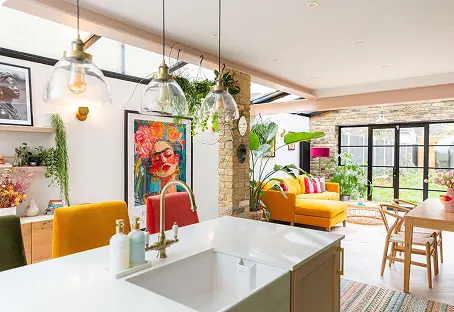

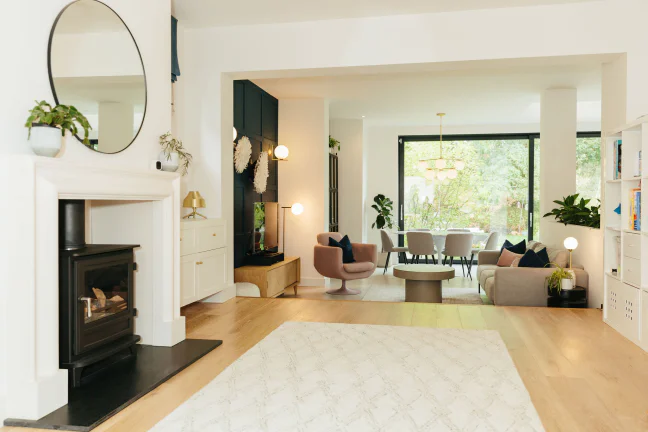



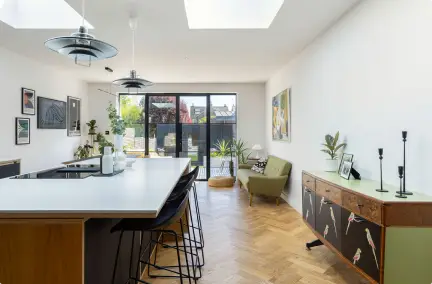
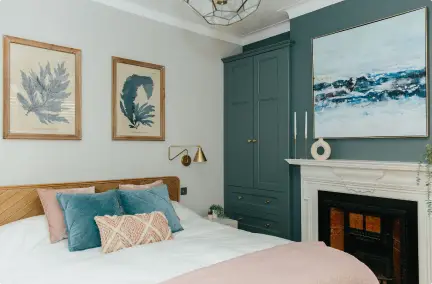
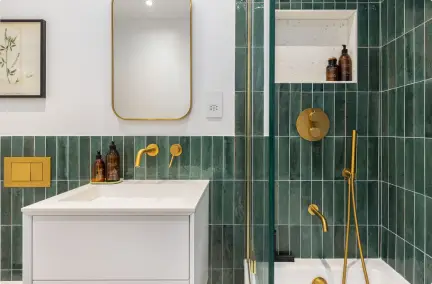









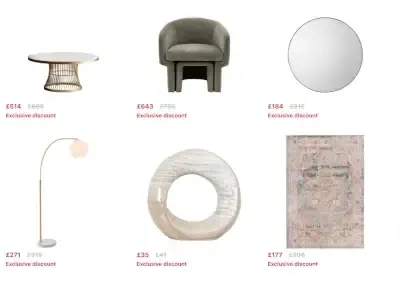



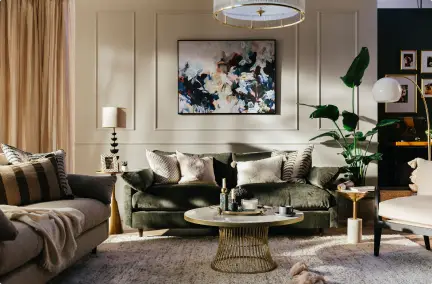

Making your everyday feel like a vacation, coastal interior design draws inspiration from sun-drenched spaces, sea-breeze colour palettes and relaxed organic textures.
For us at My Bespoke Room, modern coastal design is a celebration of natural daylight, organic textures and calm colour palettes. We reimagine them to create airy, serene spaces for everyday living, no matter how far you live from the ocean.
Let’s unpack what coastal interior design actually means, how it evolved beyond beachside tropes and how you can achieve its elegance in your own home.

The Origins: From Beach Huts to Timeless Calm
Coastal interior design has always been shaped by its immediate environment. Historically, coastal homes along the Hamptons and Mediterranean were built for practical summer living. Large windows maximised scenic sea views, durable natural fibres withstood salty air and sandy feet and whitewashed surfaces bounced daylight into the home.
Over time, this sun-soaked aesthetic evolved from utilitarian seaside cottages into a world-famous design ethos. Modern coastal design discards kitschy nautical themes in favour of sophisticated simplicity. Instead of relying on literal ocean motifs, contemporary coastal interiors focus on reproducing the feeling of being by the water: open sightlines, gentle tactile layers and a grounding connection to nature.
Key Elements of Coastal Interior Design
Looking to introduce a breezy feel to your space? Here are the core design pillars our designers use to craft atmospheric coastal interiors:
1. A Sun-Drenched Canvas
Daylight is the key to coastal design. Coastal rooms are styled to draw in as much natural sunlight as possible, making spaces feel expansive and fresh.
- Sheer Window Treatments: Swap heavy curtains for floor-length sheer linens or woven wooden blinds that diffuse harsh sunlight while letting coastal breezes flow through.
- Reflective Surfaces: Bouncing light around the room using large mirrors, polished stone and subtle glass accents amplifies the airy atmosphere.
- Open Sightlines: Keeping furniture low-profile and layout paths clear ensures light travels uninterrupted across the room.

2. An Earthy Palette
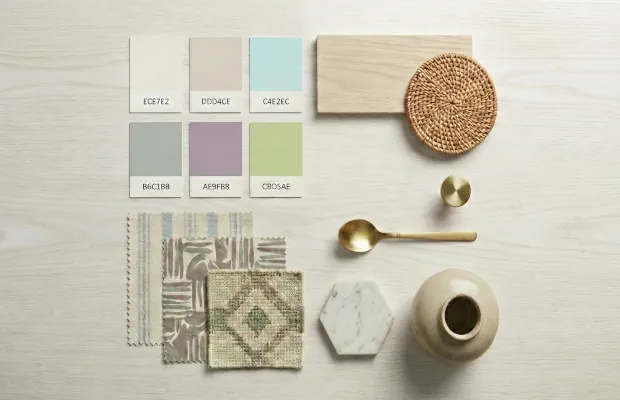
Coastal colour schemes pull from seaside landscapes. Think dune glass, pale sand, sea spray and weathered driftwood.
- The Foundation: Soft off-whites, warm ivory, pale sand and misty greys create a luminous, calming base.
- Oceanic Tones: Layer subtle depth with seafoam green, soft duck-egg blue, ocean slate and deep indigo accents.
- Warm Touches: Balance cooler blues and whites with terracotta, blonde wood and warm wicker tones so the room never feels sterile.

3. Organic Textures
When your colour palette is muted and serene, texture does the heavy lifting. Coastal spaces rely on layering natural, raw materials to add depth and warmth.
- Woven Fibres: Incorporate jute, sisal, seagrass and rattan through area rugs, light shades and accent baskets.
- Light-Toned Woods: Whitewashed oak, pale ash and natural driftwood add warmth without visually weighing down the room.
- Liveable Fabrics: Breathable linens, slubby cottons and soft slipcovers invite touch and deliver that relaxed luxury.

4. Thoughtful Decor
The best coastal interiors avoid looking overly coordinated or theme-driven. Every decorative item should feel curated, not mass-produced.
- Sculptural Ceramics: Artisanal matte pottery, stone bowls and reactive-glaze vases introduce subtle organic shapes.
- Subtle Coastal References: Opt for large-scale seascape photography, abstract ocean prints or framed botanical sea kelp.

Room-by-room Coastal Styling Guide
Ready to get the look? Here is how to style coastal interior design across key spaces:
The Living Room
Your living room should be designed for effortless relaxation and feel like a retreat.
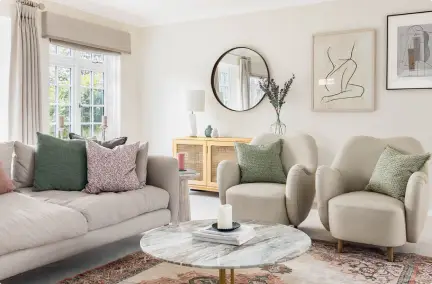
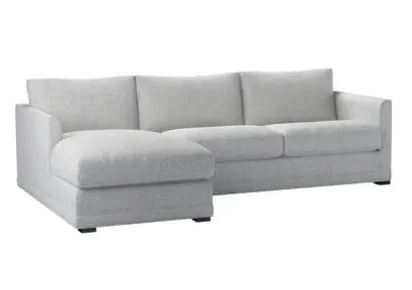
- The Sofa: Choose a deep, comfortable slipcovered sofa in cream, oatmeal or washed linen. Slipcovers deliver that relaxed elegance and are famously easy to clean.
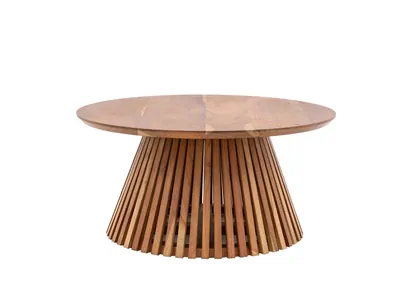
- The Coffee Table: Pair your seating with a light oak or woven rattan coffee table. Style it sparingly with a solitary ceramic vase and a couple of hardcover art books.
- Textile Layering: Lay down a large jute or wool-loop area rug to ground the room, and throw on a few linen accent cushions in soft slate blue or muted olive.

The Kitchen & Dining Room
Coastal kitchens and dining rooms combine clean functionality with warm hospitality.
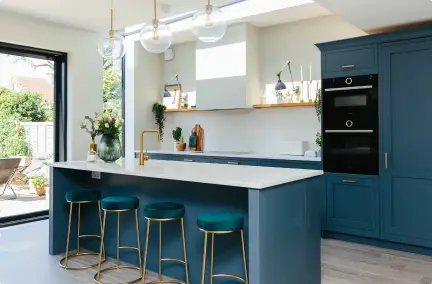
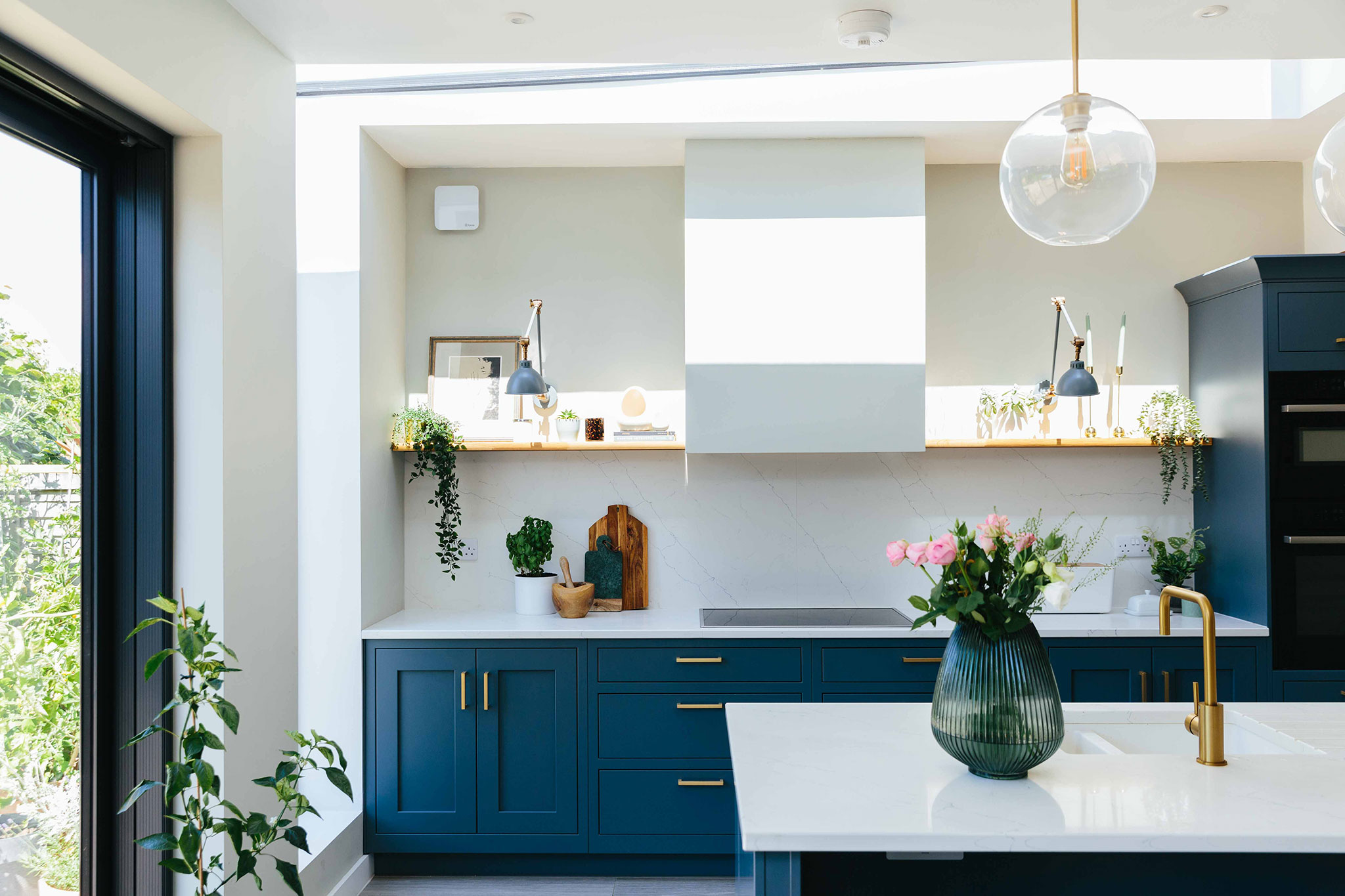
- Cabinetry: Select classic Shaker cabinetry painted in soft off-white, light grey or subtle coastal blue, paired with brushed brass or matte nickel hardware.
- Countertops & Backsplash: Pair marble-look quartz or light granites with glossy Zellige tiles, which catch natural light and mimic the subtle shimmer of water.
- The Dining Space: Set a whitewashed or pale oak dining table with woven dining chairs beneath a large wicker or open-framework pendant lamp.

The Bedroom
Transform your bedroom into an oasis inspired by boutique coastal retreats.
- The Bed: A natural timber platform bed or an upholstered linen headboard creates a soft centre-point.
- Bedding Layers: Dress the bed in relaxed, rumpled linen duvet covers in soft white, layered with a waffle-knit blanket in pale blue and beige.
- Bedside Details: Pair minimalist bedside tables with woven rope lamps or alabaster sconces to cast a warm, atmospheric glow for evening unwinding.

The Bathroom
Create a spa-like bathroom escape that feels fresh, clean and rejuvenating.
- Vanity & Tiling: Install a light oak or floating vanity paired with large-format stone tiles or classic beadboard wall paneling.
- Fixtures: Choose brushed nickel or polished chrome taps for a fresh, timeless shine.
- Finishing Touches: Roll up plush waffle-cotton towels into woven seagrass baskets and add a small stool beside the bathtub holding artisanal soap and a natural sea sponge.

Common Pitfalls to Avoid
Polishing your coastal look requires nuance. Avoid these styling traps:
1. Leaning Too Literal: Avoid novelty items like anchors, life preservers or navy-and-white stripes. True coastal design focuses on light, texture and natural materials and eschews kitschy decor.
2. Stark Whites: Blue-based white paint can make a room feel clinical and cold, especially in cooler climates. Always choose warm whites or cream bases with yellow or pink undertones to preserve warmth.
3. Over-Matching Blue Decor: Matching every cushion, rug and lamp to the same shade of blue feels rigid. Mix multiple ocean tones such as sage green, slate blue and sandy grey to create a naturally evolved look.
Have a room in mind? Let’s talk!
Book a FREE 30-minute Designer Call with one of our experienced interior designers.
Tell us about your room, what you’re struggling with and what you’d love to achieve. We’ll listen, talk through your ideas and explain how we could help.

And if you’re not quite sure what your style actually is, take our 2 minute interior style quiz and we’ll show you.
FAQ:
Coastal interior design focuses on capturing the light breeze and serene atmosphere of the coast using natural textures, soft neutrals, light woods and subtle ocean tones. Nautical interior design, by contrast, is more literal and maritime-focused, relying on deep navy blue, crips white, gold accents, bold stripes and specific seafaring motifs like anchors, ship’s wheels and rope work.
Yes, absolutely! Because modern coastal design relies on light, organic textures and soothing colour palettes rather than literal sea motifs, it translates beautifully to any property. In an urban setting, focus on maximising natural light, introducing light-toned woods, layering linen fabrics and choosing abstract art to create an oasis of calm away from city noise.
To keep a coastal room cosy during colder months, layer warm, tactile materials alongside your light elements. Swap summer throws for chunky knit blankets, introduce warm wood accents, layer wool rugs over hard floors and use warm-toned LED bulbs to maintain a golden glow when natural sunlight is limited.
