
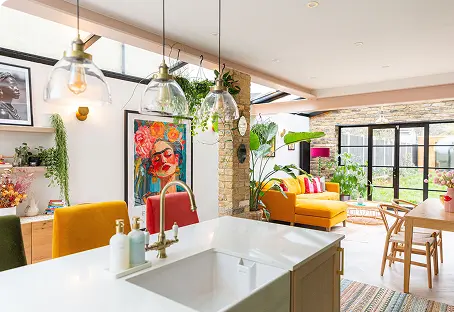
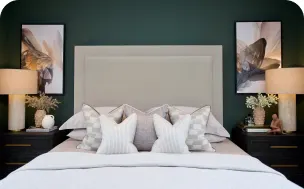
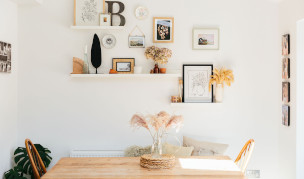
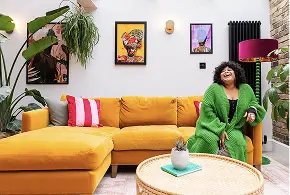


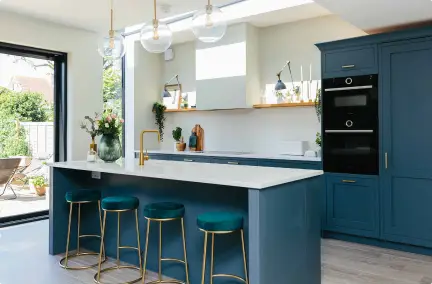
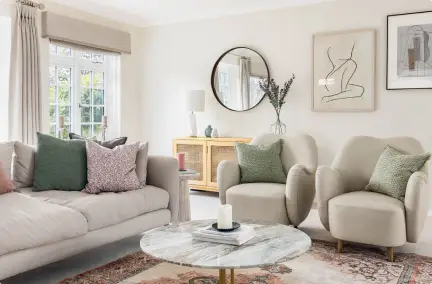
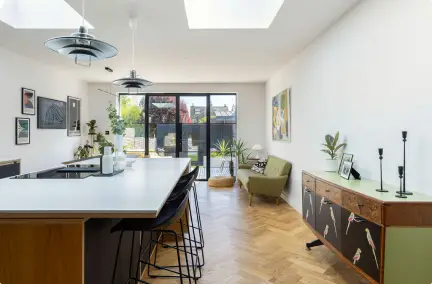
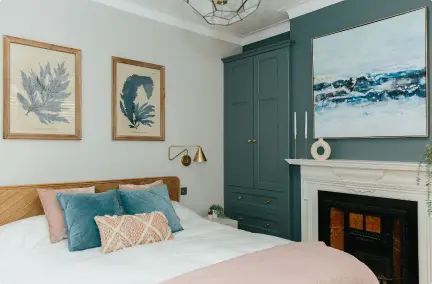










If you have ever caught yourself scrolling through Pinterest, saving crisp, clutter-free spaces with gorgeous clean lines, you’ve likely been eyeing Modern Interior Design. But what actually is it?
It’s easy to throw the word “modern” around to describe anything fresh or trendy, but in the design world, Modern interior design style has a very specific history, philosophy, and look. At My Bespoke Room, we love helping clients cut through the design jargon to create homes that feel effortlessly stylish, practical, and uniquely tailored.
Let’s unpack what Modern interior design really means, how it differs from contemporary style, and how you can bring it into your own space!

The Origins: Form Follows Function
True Modern interior design isn’t brand new. In fact, its roots date back to the early-to-mid 20th century, emerging from German Bauhaus design and Scandinavian minimalism. The core philosophy? Form follows function.
Instead of heavy ornamentation, fussy ruffles, and elaborate woodwork typical of earlier eras, Modern design stripped things back to the essentials. Every piece of furniture, light fixture, and decorative item in a modern space serves a purpose. It’s all about creating simple, functional, and clutter-free environments where you can truly breathe.
Modern vs. Contemporary: What’s the Difference?
This is easily one of the most common design questions our clients ask us! While people often use “modern” and “contemporary” interchangeably, they aren’t the same thing:
- Modern Design refers to a specific design movement anchored in the early-to-mid 1900s (including Mid-Century Modern). It has defined characteristics: clean lines, natural materials, neutral colour palettes, and a focus on functionality.
- Contemporary Design simply means “of the moment.” It is fluid, ever-evolving, and borrows trends from whatever is popular right now. Today’s contemporary homes often incorporate modern elements, but they might also mix in soft curves, bold maximalist colours, or warm heritage details.
Key Elements of Modern Interior Design
Want to achieve that classic Modern aesthetic without your home feeling sterile? Here are the fundamental pillars our professional interior designers use to bring the style to life:
1. Clean, Crisp Lines
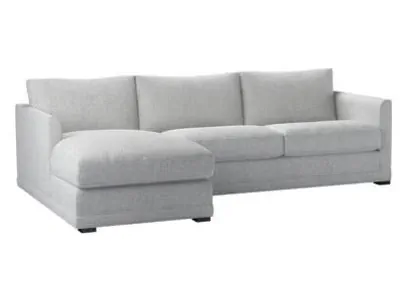
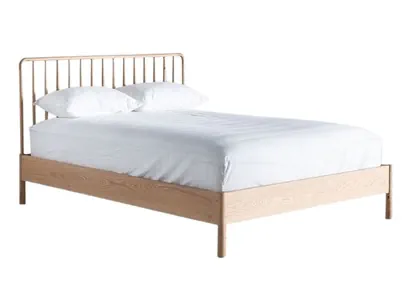
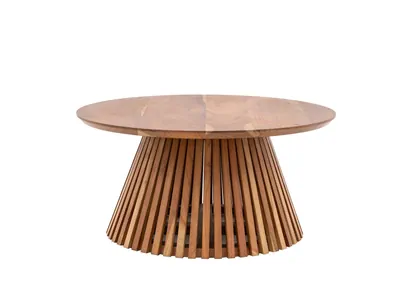
Modern design embraces structure. Think strong horizontal and vertical lines in architectural features, low-profile sofas, sleek media units, and geometric dining tables. You won’t find intricate carvings or fussy details here; instead, the beauty comes from strong, uncluttered silhouettes.

2. Natural & Unrefined Materials
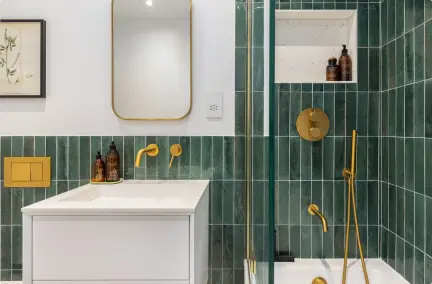
To keep sleek lines from feeling cold, Modern design relies heavily on natural textures. Exposed wood (like teak, walnut, or oak), smooth stone, polished concrete, glass, and metals like black steel or chrome are staples. The goal is to celebrate the natural honesty of the material.

3. Neutral Colour Palettes (With Strategic Pops)
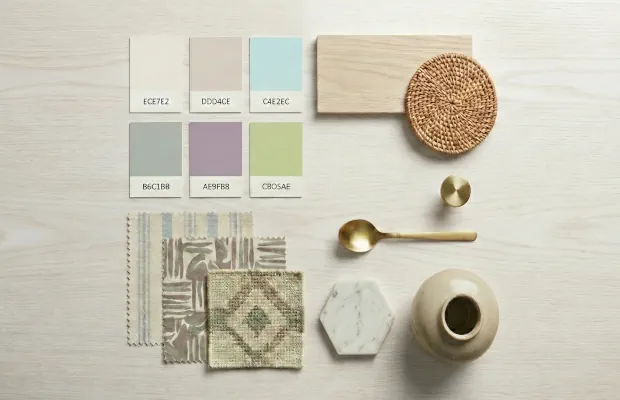
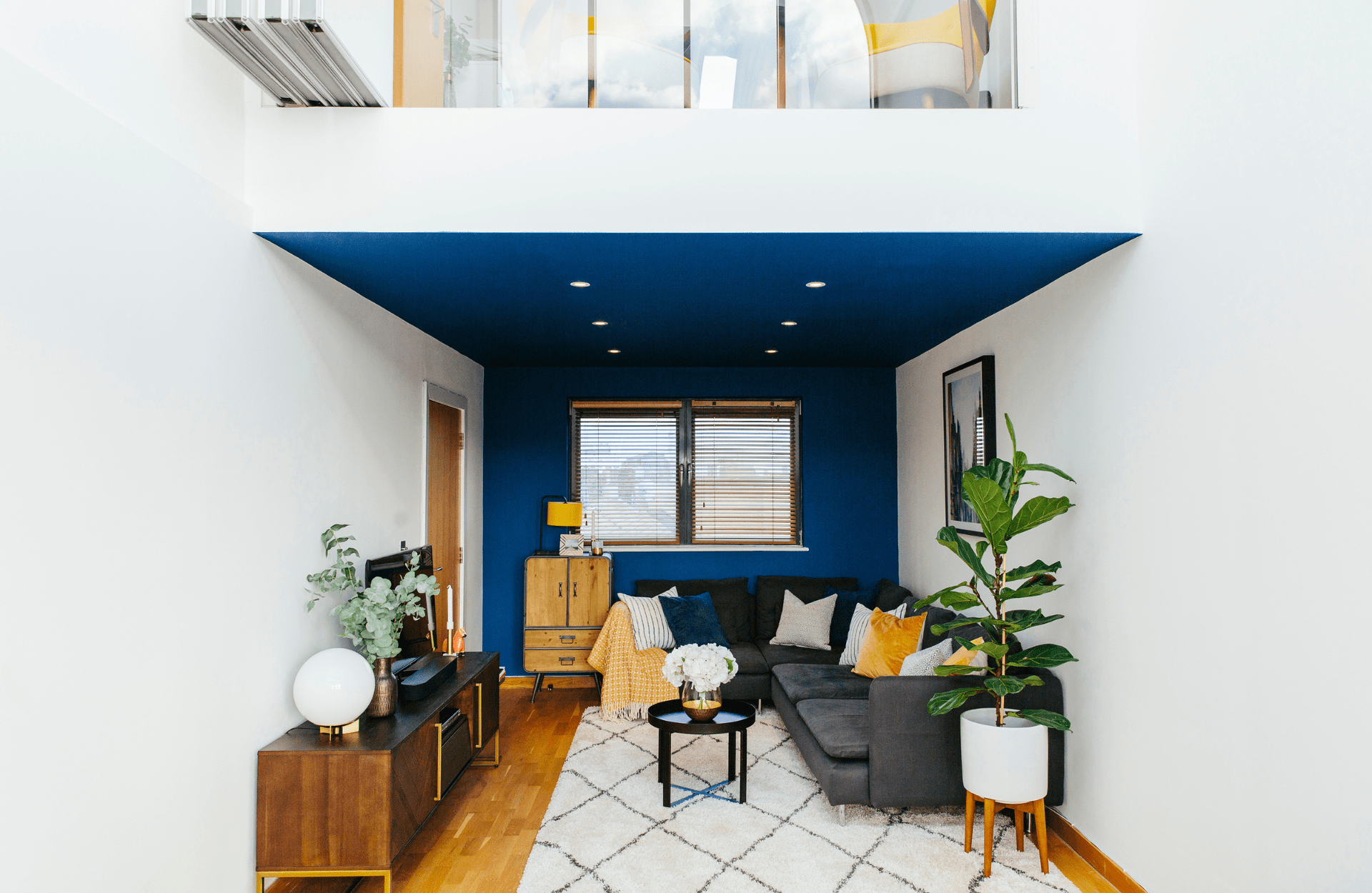
Modern spaces typically stick to a foundational backdrop of warm whites, creams, muted greys, and earthy beige tones. However, neutral doesn’t mean boring! You’ll often spot striking black accents used to anchor a room, or subtle pops of primary colours—like a rich mustard armchair, an olive green rug, or a piece of abstract art.

4. The “Less is More” Approach
Clutter is the arch-nemesis of modern style. Rather than filling every shelf, Modern design gives your eyes room to rest. Surfaces are kept clear, storage is built-in or hidden away, and decor is carefully curated. Every item on display is intentional.

5. Open Spaces & Light
Modern architecture loves open-plan living. By removing unnecessary walls, light flows freely through the space, making rooms feel larger and more connected. Large windows, unadorned glass, and low-slung furniture help maintain an airy, open feel.
How to Style Modern Design in a Real, Busy Home
It’s one thing to look at a pristine picture of a modern living room online, but how do you make it work for real life with kids, pets, and daily mess?
- Mix in Texture: Soften sleek furniture with tactile fabrics like bouclé, linen, woven wool, and smooth leather.
- Invest in Clever Storage: Choose sideboards with concealed doors to hide tech, toys, and clutter out of sight.
- Layer Warm Lighting: Avoid harsh overhead lights. Instead, use floor lamps and warm ambient lighting to create a cosy, inviting mood in the evenings.
FAQ:
Modern interior design is known for clean lines, simple forms, uncluttered layouts and a strong focus on function. It often uses open spaces, natural materials and a restrained colour palette to create a calm, balanced look.
Neutral shades such as white, beige, grey and warm earthy tones are common in modern interiors. These are often paired with darker accents, natural wood or occasional stronger colours to add contrast and personality.
Modern interiors often combine natural and industrial materials, including wood, glass, metal, leather and stone. Smooth surfaces and simple finishes help maintain the clean, streamlined appearance associated with the style.
Modern interior design refers to a defined design movement influenced by early to mid-20th-century styles, while contemporary design reflects what is popular now. Contemporary interiors can borrow elements from modern design, but they tend to evolve as trends change.
