











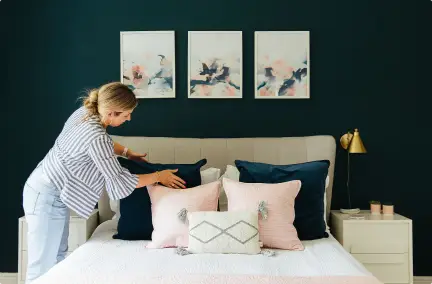
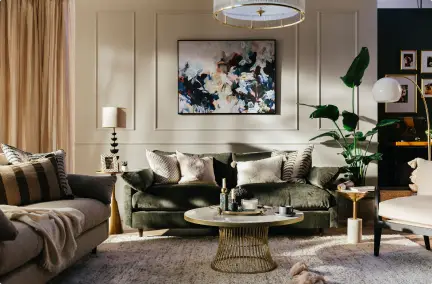

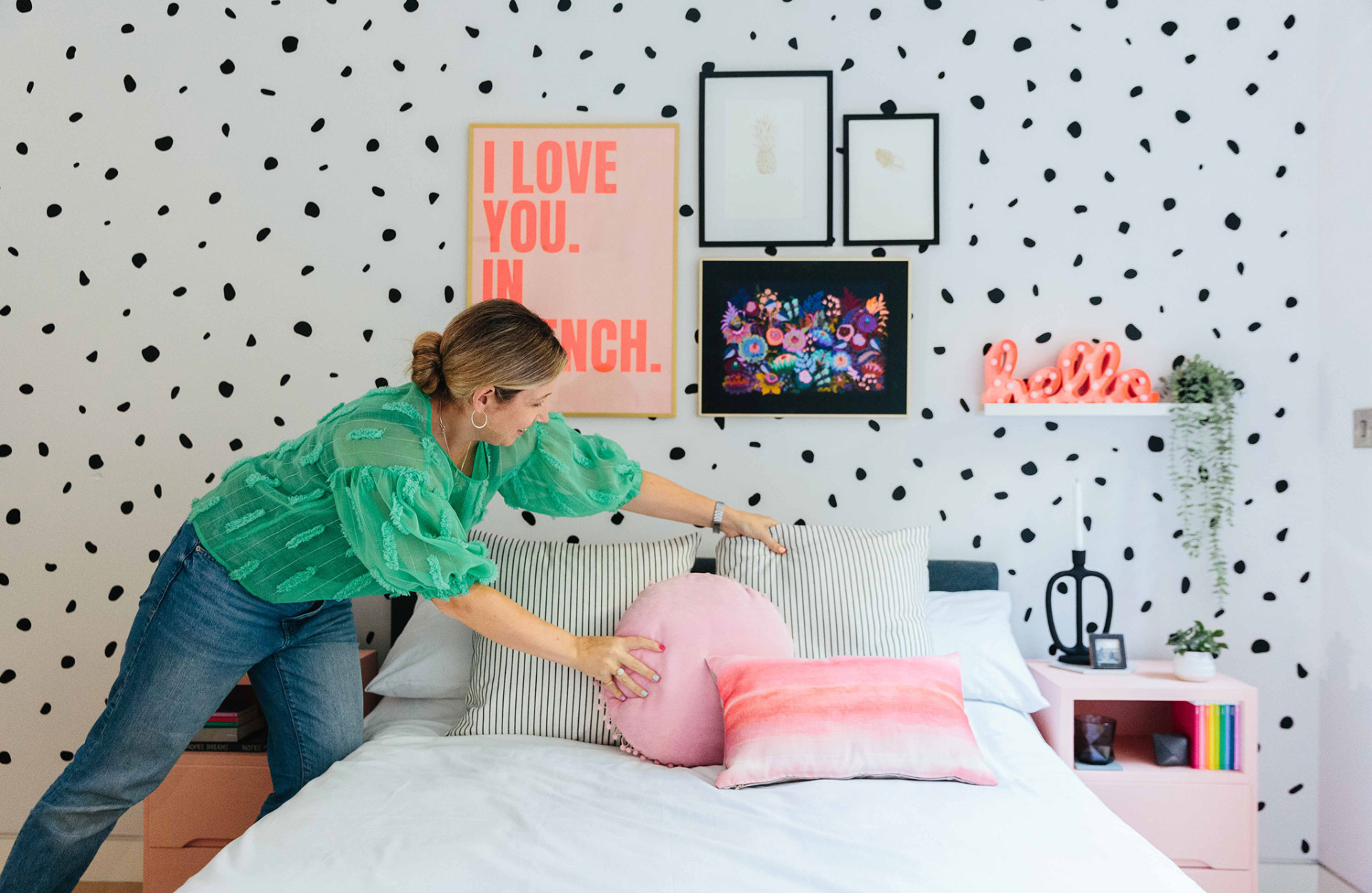
The story of interior design is a continuous conversation between history, culture, and personal expression. From the sweeping curves of Art Nouveau and the sleek functionality of Bauhaus to the tranquil simplicity of Japandi and the vibrant layers of Maximalism, design styles define how we structure our living spaces and express our individuality.
Whether you lean toward the quiet restraint of Minimalist and Wabi-Sabi spaces, the inviting warmth of English Country and Coastal retreats, or the architectural grandeur of Classical and Art Deco aesthetics, every style carries its own distinct language. Understanding these visual frameworks helps you navigate furniture choices, colour palettes, and materials to build a home that feels both cohesive and uniquely yours.
Explore our definitive guide below to discover the origins, defining characteristics, and key elements behind the world’s most enduring interior design styles.

Modern Interior Design
Rooted in early-to-mid 20th-century design, modern interiors centre on spatial order, functional forms, and an unpretentious approach to decoration. Rather than filling rooms with ornamental details, a modern interior design style relies on structural clarity and unencumbered layouts. If you are curating a modern home interior design, opt for low-slung seating, architectural lighting, and exposed metal or glass details. Embracing a modern design style means letting room proportions and light take centre stage. When planning a modern living room design, balance smooth geometry with tactile wool or linen to keep the space feeling soft yet refined.

Contemporary Interior Design
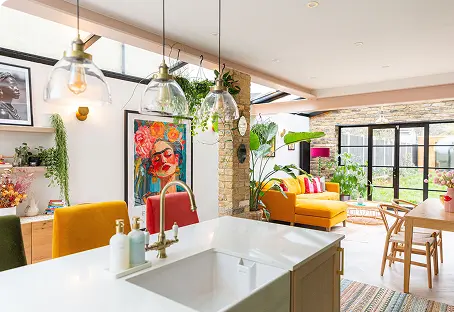
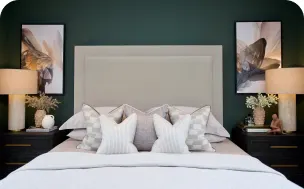
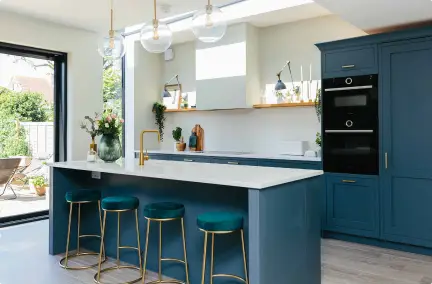
Because it reflects the present moment, contemporary interiors evolve continuously rather than staying anchored to a single historical era. The strength of a contemporary interior design style lies in its fluid approach, borrowing sculpted silhouettes, mixed materials, and current colour trends to create an approachable home. Achieving a great contemporary home design involves pairing soft organic shapes with tailored furniture and stone or metallic finishes. Elevate your room with curated contemporary decor, using abstract artwork, sculptural ceramic pieces, and calculated splashes of accent colour to build depth without overwhelming the eye.

Traditional Interior Design
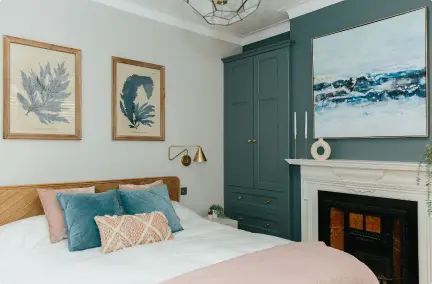
With deep roots in classical European history, traditional interiors bring order, symmetry, and architectural grace into modern homes. Adopting a traditional interior design style means welcoming rich timber joinery, refined mouldings, and classic upholstery backdrops. To pull together a thoughtful traditional home decor scheme, lean into balanced furniture arrangements, deep jewel tones, and time-honoured craftsmanship. For authentic classic traditional interiors, layer antique furniture with velvet drapes, subtle floral weaves, and gilt-framed art to create a living space that feels grounded and enduring.

Transitional Interior Design
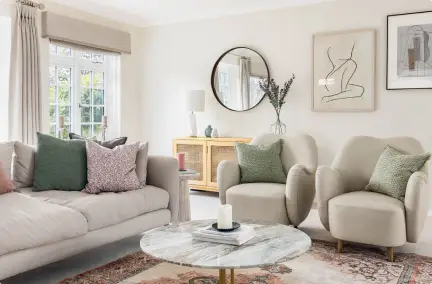
For those who appreciate classic silhouettes but prefer clutter-free spaces, transitional interiors offer the best of both worlds. This adaptable transitional interior design style smooths out the ornate edges of period design using clean lines and quiet neutral palettes. By integrating modern traditional interior design ideas, you can easily pair a heritage dining table with streamlined contemporary seating. Focus on plush fabrics, warm timber tones, and understated brass fittings. Ultimately, mastering classic contemporary interior design relies on subtle contrast, allowing family heirlooms and sleek architecture to sit comfortably together.

Mid-Century Modern Interior Design
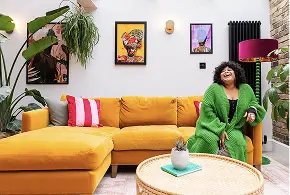
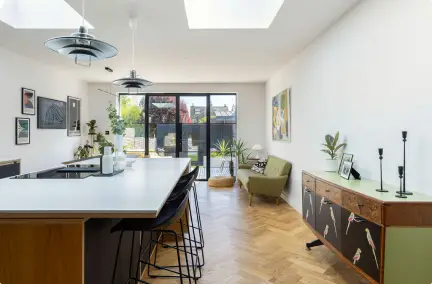
Defined by the post-war optimism of the 1950s and 60s, mid-century interior design remains one of the most recognisable aesthetics in home design. Spaces styled with mid-century modern interiors showcase low profiles, tapered peg legs, and organic timber curves. You can layer your space with timeless mid-century decor, including walnut sideboards, graphic artwork, and warm brass fixtures. Drawing directly from 1950s interior design, focus on functional shapes and seamless connections to outdoor views. Introduce vibrant accent shades, like mustard or teal, reminiscent of 1960s interior design to complete the look.

Minimalist Interior Design
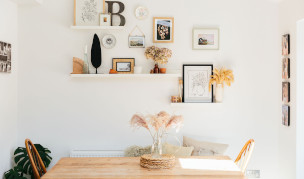
At its core, minimalist interiors strip away excess to focus entirely on light, volume, and material quality. A successful minimalist home design isn’t cold; it relies on careful editing and hidden storage to maintain order. Practising minimal interior design means evaluating every item in a room, choosing multi-functional pieces over decorative fluff. Enhance the scheme with purposeful minimalist decor, such as a single stoneware vase or textured linen upholstery. When executed well, modern minimalist interior design produces a calm, distraction-free atmosphere where you can instantly unwind.
Maximalist Interior Design
Unapologetically vibrant, maximalist interiors celebrate colour, pattern, and personal storytelling. Rather than following strict rules, maximalist decor encourages you to mix historical references, gallery walls, and contrasting fabrics into a cohesive showcase. To build a successful maximalist interior design look, layer patterned wallcoverings with plush velvet, vintage finds, and expressive artwork. A rich maximalist home design develops gradually over time, turning every corner of your house into a memorable, texture-filled conversation starter.

Scandinavian Interior Design
Designed to maximise light during long Nordic winters, Scandinavian interiors balance minimalist functionality with genuine warmth. Bringing Scandi interior design into your home means pairing pale wood surfaces with crisp neutrals and soft, tactile accents. Focus on functional Scandinavian home decor, incorporating chunky knit textiles, stoneware ceramics, and simple timber silhouettes. This approach to Nordic interior design values practical comfort above all else. Embracing true Scandinavian style creates a bright, airy refuge that feels welcoming year-round.

Japandi Interior Design
Where Scandinavian hygge meets Japanese wabi-sabi, Japandi interiors deliver a refined, highly functional aesthetic. Adopting the Japandi style involves stripping away clutter and focusing on organic materials, muted earth tones, and craftsmanship. Look for understated Japandi home decor, such as hand-thrown pottery, slatted wooden dividers, and raw linen accents. This union of Scandinavian Japanese interior design principles celebrates intentional simplicity. A serene Japandi living room features low-slung furniture and soft lighting that calms the senses immediately.
Japanese Interior Design
Centred on balance, natural harmony, and architectural restraint, Japanese interiors offer a quiet escape from daily noise. Adopting a traditional Japanese interior style means embracing open floor plans, sliding shoji screens, and light wood textures. The essence of Zen interior design relies on uncluttered layouts that highlight natural light and negative space. Through a Japanese minimalist interior design lens, every furniture piece has a clear function. Complete the room with simple Japanese home decor, including tatami floor mats, low tea tables, and subtle silk or paper accents.
Bohemian Interior Design
Free-spirited and deeply expressive, boho interior design mixes global influences, rich textures, and vintage charm. Setting up authentic bohemian interiors involves layering patterned rugs, floor cushions, and timber furniture collected over time. By incorporating relaxed boho interiors, you can blend rattan finishes, macramé details, and vibrant houseplants without worrying about strict symmetry. Tie the room together with travel-inspired bohemian decor, like Moroccan ottomans or vintage textiles, creating a relaxed boho home decor scheme that feels personal and lived-in.
Eclectic Interior Design
The art of eclectic interiors lies in uniting completely different eras, patterns, and furniture styles into one harmonious space. Rather than looking mismatched, an eclectic design style uses colour, scale, and repetition to connect contrasting elements. Choose striking eclectic home decor, like pairing a mid-century armchair with a Victorian side table or bold contemporary art. Developing a strong eclectic interior style relies on a consistent colour palette to anchor the room. By thoughtfully layering mixed interior design styles, you create a home rich in depth and visual charm.

Industrial Interior Design
Inspired by repurposed factories and urban warehouses, industrial interiors showcase raw construction materials with pride. A classic industrial style interior highlights exposed brick, structural steel, weathered timber, and polished concrete finishes. Pair these architectural features with rugged industrial home decor, including factory-style lighting, distressed leather sofas, and open metal shelving. This balanced approach to modern industrial interior design softens hard edges with comfortable upholstery. For an authentic industrial loft design, emphasise soaring ceilings, oversized windows, and spacious open layouts.

Rustic Interior Design
Celebrating the unpolished beauty of natural materials, rustic interiors bring countryside warmth into any setting. A genuine rustic design style puts exposed timber beams, hand-carved furniture, and natural stone hearths on display. Outfit your home with tactile rustic home decor, such as heavy wool throws, patinated leather, and iron hardware. If you prefer a lighter touch, modern rustic interior design pairs raw wood and stone with crisp white walls. Complete the space with a cosy rustic living room layout centred around comfortable seating and natural finishes.

Farmhouse Interior Design
Designed for practical, comfortable family life, farmhouse interiors mix rural character with everyday functionality. Embracing a modern farmhouse interior design style means working with bright neutral backdrops, apron-front sinks, shiplap wall details, and rustic timber. Accentuate your space with classic farmhouse decor, like wire baskets, ceramic pitchers, and simple slipcovered sofas. This enduring rustic farmhouse style works just as well in urban homes as in the country. For a fresh update, the contemporary farmhouse look mixes streamlined black hardware with traditional woodwork.
English Country Interior Design
Comfortable, slightly worn, and filled with character, country interior design captures the relaxed elegance of British rural homes. Creating English country interiors involves layering floral chintz, deep-seated armchairs, mahogany antiques, and warm heritage paint shades. An authentic country house interior design layout feels collected over generations rather than designed overnight. Accentuate British country interiors with open fireplaces, timber floorboards, and stacked bookshelves. To keep it feeling current, a modern country interior design approach pairs these traditional patterns with fresh, modern paint finishes.
French Country Interior Design
Combining rustic charm with understated European sophistication, French country interiors offer a romantic, lived-in feel. To pull together authentic French country decor, rely on a soft palette of chalky whites, muted blues, sage green, and warm terracotta. This timeless French provincial interior design look features whitewashed timber, wrought iron details, and cabriole-leg furniture. Finish your French farmhouse interiors with exposed ceiling beams, natural stone floors, and ticking-stripe linen fabrics for an inviting home.

Cottage Interior Design
Nostalgic and deeply comforting, cottagecore interior design celebrates simple living and vintage charm. Transforming your space into cosy cottage interiors involves mixing small-scale floral wallpapers, painted woodwork, and soft pastel shades. Accentuate rooms with charming cottage-style decor, like open dressers displaying vintage china, embroidered linen, and fresh wildflowers. A modern cottage interior design scheme keeps things airy by pairing these vintage details with clean architectural backdrop tones and simple lighting, resulting in a relaxed cottagecore decor style.
Coastal Interior Design
Inspired by seaside living, coastal interiors rely on abundant natural light, natural textures, and crisp textiles to create a relaxed sanctuary. Styling with coastal decor involves layering soft sandy neutrals, muted sea blues, and whitewashed timber. A modern coastal interior design approach focuses on expansive windows, breezy linen curtains, and clean furniture lines. For a laid-back vibe, look to California coastal interior design, which pairs rattan and jute with warm wood finishes. Overall, a thoughtfully executed coastal home design brings seaside tranquillity into any home.
Mediterranean Interior Design
Sun-drenched, textured, and connected to nature, Mediterranean interiors draw architectural details from coastal southern Europe. Building a Mediterranean style home involves incorporating lime-washed plaster walls, exposed timber ceilings, wrought iron accents, and terracotta tile floors. A modern Mediterranean interior design take pairs these earthy backdrops with sleek minimalist furniture and white walls. Decorate with authentic Mediterranean decor, such as oversized earthenware urns and olive branches. Finish the look with a light-filled Mediterranean living room layout designed for easy indoor-outdoor living.
Moroccan Interior Design
Famed for rich colour, intricate patterns, and warm lighting, Moroccan interiors bring vibrant energy to residential spaces. Introducing Moroccan decor involves layering carved wooden screens, zellige tilework, and hand-cut brass lamps. Embracing a Moroccan interior style allows you to mix low seating, plush floor cushions, and wool Beni Ourain rugs. Design an inviting Moroccan living room around warm jewel tones like saffron, terracotta, and deep cobalt. This tactile Moroccan home design aesthetic turns everyday rooms into rich, atmospheric retreats.

Southwestern Interior Design
Rooted in desert landscapes and regional craftsmanship, Southwestern interiors deliver rich texture and earthy warmth. Decorating with authentic Southwest decor involves using terracotta tilework, textured plaster walls, exposed ceiling vigas, and woven textiles. To create a balanced Southwestern home design, work with warm desert tones like rust, ochre, sage, and clay. A refined desert interior design scheme pairs raw wood and wrought iron with potted cacti and succulents. Achieving a Southwestern style means balancing these rugged textures with clean furniture silhouettes.
Art Deco Interior Design
Glamorous, geometric, and unapologetically rich, Art Deco interiors channel the luxury of 1920s design. Decorating with bold Art Deco decor means introducing sunburst motifs, polished brass, high-gloss lacquer, and velvet upholstery. Embracing an Art Deco interior style involves curating dramatic colour schemes using emerald green, deep navy, and gold accents. For a contemporary touch, modern Art Deco interiors feature geometric wallpapers, mirrored furniture, and architectural lighting. This striking 1920s interior design look brings instant drama and sophistication to your home.

Art Nouveau Interior Design
Inspired by nature’s organic movement, Art Nouveau interiors prioritise flowing lines, botanical shapes, and hand craftsmanship. Incorporating Art Nouveau decor means introducing stained glass, sweeping curvilinear woodwork, and stylised floral motifs. Creating an Art Nouveau style interior involves selecting carved timber furniture, ironwork, and muted, nature-inspired colour schemes. In modern Art Nouveau interiors, these elegant curves are balanced against clean walls and subtle finishes. Adopting an Art Nouveau home design turns your space into an artistic, romantic retreat.
Bauhaus Interior Design
Pioneering functionalism, Bauhaus interiors strip away excess ornament to celebrate geometry, utility, and modern materials. The Bauhaus design style uses primary colours alongside black, white, and tubular steel finishes. Styling with minimalist Bauhaus decor means choosing abstract artwork, sleek lighting, and simple textiles. Anchor rooms with iconic Bauhaus furniture, such as leather-and-chrome armchairs or nested tables. Executing a modern Bauhaus interior scheme creates a clean, highly functional living environment where form follows function completely.

Brutalist Interior Design
Raw, sculptural, and unapologetically architectural, brutalist interiors highlight raw building materials and heavy geometric forms. Mastering Brutalist interior design requires embracing exposed concrete walls, unpolished stone, and monochromatic palettes. Soften the space using textured brutalist decor, such as patinated metal art, heavy timber tables, and thick wool rugs. In a modern brutalist interior, ambient lighting and comfortable seating balance the bold architectural backdrop. Incorporating a concrete interior design approach results in a dramatic, gallery-like space.
Classical Interior Design
Rooted in ancient Greek and Roman architecture, classical interiors rely on symmetry, strict proportion, and timeless grandeur. Adopting a classical interior style means featuring architectural details like fluted columns, ornate ceiling cornices, and marble hearths. A refined classic interior design scheme pairs balanced layouts with mahogany furniture and fine art. Drawing inspiration from Greek Roman interior design, introduce classical busts, urns, and gilded mirrors. Styling with refined classical home decor creates an atmosphere of permanent architectural beauty.
Neoclassical Interior Design
Elegant, structured, and restrained, neoclassical interiors offer a quiet, modern interpretation of classical antiquity. Curating neoclassical decor involves pairing wall panelling, tall windows, and subtle urn details with silk or velvet drapery. A modern neoclassical interior design approach uses light neutral walls to highlight symmetrical furniture layouts and understated brass trim. Developing an authentic neoclassical interior style relies on balance and fine proportions, creating an elegant home environment.
Baroque Interior Design
Dramatic, opulent, and filled with detail, Baroque interiors represent peak historical luxury. Decorating with lavish Baroque decor requires heavy velvet drapes, carved gilded woodwork, and elaborate ceiling details. Mastering a Baroque interior style involves using deep colour palettes like burgundy, navy, and gold. For a contemporary spin, design modern Baroque interiors by pairing elaborate antique pieces with clean contemporary backdrops. A dramatic Baroque home design commands attention through rich textures and theatrical lighting.
Rococo Interior Design
Feminine, light-hearted, and ornate, Rococo interiors emphasise soft pastel palettes, flowing curves, and gold detailing. Decorating with Rococo decor involves incorporating shell motifs, scrolling leaves, and oversized gilded mirrors. The Rococo interior style prioritises playfulness and delicate ornament over strict classical symmetry. Classic French Rococo interiors feature soft blush pinks, sky blues, and cream tones paired with intricate woodwork. To achieve a modern Rococo design, balance carved antique furniture with simple neutral walls.
Victorian Interior Design
Moody, detailed, and deeply romantic, Victorian interiors celebrate pattern, warm woodwork, and decorative abundance. Applying a traditional Victorian interior style involves using deep paint shades, layered drapes, wallpaper, and carved dark timber furniture. Outfit your space with authentic Victorian home decor, like brass sconces, stained glass, and button-tufted leather. A modern Victorian interior design approach brightens classic features with contemporary lighting and clean walls. Enhance your property with authentic Victorian house interiors that celebrate character and charm.
Georgian Interior Design
Famous for architectural symmetry and abundant natural light, Georgian interiors bring stately elegance into period properties. Adopting a Georgian interior style means highlighting high ceilings, tall sash windows, and balanced layouts. Enhance Georgian house interiors with subtle pastel walls, dado rails, and delicate plasterwork. Accentuate your space with refined Georgian home decor, including gilded mirrors, crystal chandeliers, and classic mahogany furniture. A modern Georgian interior design approach preserves historical charm while introducing modern comfort.
Edwardian Interior Design
Airy, bright, and informal, Edwardian interiors offer a lighter alternative to the heavy decoration of the Victorian era. Embracing an Edwardian interior style involves using fresh pastel palettes, floral wallpapers, and simple carved wood detailing. Within Edwardian house interiors, focus on maximising natural light through wide bay windows. Incorporate charming Edwardian home decor, such as wicker armchairs, floral ceramics, and brass lighting. Creating modern Edwardian interiors pairs these period details with clean neutral walls and comfortable seating.
Arts and Crafts Interior Design
Celebrating hand craftsmanship and natural materials, Arts and Crafts interiors value joinery, organic motifs, and structural honesty. Adopting an Arts and Crafts style involves highlighting exposed timber structures, built-in cabinetry, and stained glass windows. Decorate with authentic Arts and Crafts home decor, including copper accents and hand-woven textiles. Incorporate iconic William Morris interior wallpapers featuring detailed botanical prints. Achieving a genuine Craftsman interior design scheme brings warmth, integrity, and natural beauty into the home.
Hollywood Regency Interior Design
Dramatic, glamorous, and designed for entertaining, Hollywood Regency interiors bring golden-era cinema style into the home. Styling with lavish Hollywood Regency decor involves using high-gloss lacquer, mirrored surfaces, metallic trim, and bold colour palettes. A successful Hollywood glam interior design scheme prioritises low-profile seating, tufted velvet sofas, and animal prints. Embracing Hollywood glamour interiors requires confidence with scale, gloss, and pattern, creating a high-impact home built to impress.

Organic Modern Interior Design
Combining minimal layouts with natural textures, modern organic interior design creates calm, tactile living environments. Developing organic modern interiors involves layering warm timber finishes, raw stone, plaster walls, and natural linen. Enhance your rooms with organic modern decor, such as sculptural ceramics, travertine tables, and dried botanicals. This popular natural modern interiors approach balances sleek furniture with soft, curved silhouettes. Embracing organic interior design results in a clean, earthy space that feels connected to nature.

Biophilic Interior Design
Focused on improving well-being, biophilic interiors bring natural light, living plants, and organic materials indoors. Designing a biophilic design home involves installing living walls, maximising outdoor views, and choosing natural wood and stone finishes. Explore creative biophilic interior design ideas, such as indoor water features, natural sunlight tubes, and non-toxic textiles. Applying nature-inspired interior design principles creates a restorative environment where natural elements take centre stage. A thoughtful biophilic home design keeps your living space feeling fresh and energised.
Wabi-Sabi Interior Design
Rooted in Japanese philosophy, wabi sabi interiors celebrate the beauty of impermanence, ageing, and natural imperfection. Decorating with authentic wabi sabi decor involves using weathered wood, hand-formed ceramics, wrinkled linen, and plaster walls. Embracing a wabi sabi interior style means valuing craftsmanship over mass-produced perfection. This earthy Japanese wabi sabi design aesthetic favours muted colour palettes and uncluttered layouts. Designing a modern wabi sabi interior creates a serene, grounded home where simple textures shine.
Shabby Chic Interior Design
Romantic, cosy, and rustic, shabby chic interiors blend vintage charm with comfortable living. Curating authentic shabby chic decor involves choosing distressed painted furniture, slipcovered sofas, washed linen, and soft florals. This timeless shabby chic style relies on chalky whites, pastel palettes, and antique accessories like crystal chandeliers. A modern shabby chic approach updates the look with cleaner furniture lines and subdued wall colours. Embracing vintage shabby chic interiors creates a warm home filled with nostalgic appeal.

Retro Interior Design
Playful, energetic, and nostalgic, retro interiors draw inspiration from mid-to-late 20th-century design movements. Decorating with energetic retro decor involves using geometric wallpapers, pop-art prints, and curved plastic furniture. Adopting a retro interior style lets you experiment with fun colours like mustard yellow, avocado green, and burnt orange. Studying vintage interior design helps you source authentic accent pieces for extra character. Accentuate your home with dynamic 70s interior design elements, like shag rugs and low-slung seating.
Grandmillennial Interior Design
Mixing heritage design with a fresh modern perspective, grandmillennial interiors bring nostalgic warmth to contemporary spaces. Curating grandmillennial decor involves pairing heirloom furniture with needlepoint cushions, pleated lampshades, chintz patterns, and skirted tables. Embracing the grandmillennial style allows younger homeowners to celebrate traditional details without feeling dated. Often called granny chic interior design, this trend breathes life into antique finds. Executing a new traditional interior design layout produces a colourful, pattern-rich home filled with personality.
Gustavian Interior Design
Hailing from 18th-century Sweden, Gustavian interiors blend French neoclassicism with light-filled Scandinavian practicality. The distinctive Gustavian style relies on muted paint palettes of pale blue, soft grey, cream, and white. Incorporating authentic Swedish Gustavian interiors requires choosing whitewashed timber furniture, carved details, and gilded frames. Accentuate rooms with understated Gustavian decor, such as Mora clocks and crystal chandeliers. Selecting items in the Gustavian furniture style creates a bright, graceful home environment.
Chalet Interior Design
Evoking the warmth of mountain retreats, chalet interiors combine rustic wood construction with comfortable textures. Embracing alpine interior design involves using exposed timber walls, stone fireplaces, and wool upholstery. Elevate your space with Alpine chic interiors by layering faux fur throws, shearling cushions, and warm lighting. A ski chalet interior design scheme pairs rugged architectural details with modern seating. Overall, a mountain interior design layout provides a cosy sanctuary designed for ultimate comfort.
Tropical Interior Design
Breezy and vibrant, tropical interiors bring lush greenery and island warmth into everyday living. Decorating with tropical home decor involves using botanical prints, rattan furniture, bamboo accents, and woven jute rugs. A successful tropical interior style relies on bright white backdrops punctuated by deep green foliage and floral accents. In modern tropical interiors, clean architectural lines balance these rich natural textures. Craft a relaxing tropical living room complete with ceiling fans, large indoor palms, and airy linen curtains.

Chinoiserie Interior Design
Exuding elegance and detailed artistry, chinoiserie interiors feature European interpretations of Asian design motifs. Incorporating chinoiserie decor involves using hand-painted scenic wallpapers, lacquered furniture, and blue-and-white porcelain. The chinoiserie style showcases depictions of pagodas, exotic birds, and garden landscapes. In modern chinoiserie schemes, these detailed patterns are paired with clean contemporary furniture and striking colour palettes. Incorporating Chinese-inspired interiors brings history, artistry, and sophistication into any property.
Americana Interior Design
Nostalgic, warm, and inviting, Americana interiors celebrate traditional American heritage, folk art, and rustic craftsmanship. Decorating with classic Americana home decor involves using quilt motifs, warm timber panelling, Windsor chairs, and iron hardware. These welcoming American country interiors rely on warm earth tones, deep reds, and soft navy blues to build cosy rooms. Incorporating vintage Americana decor, such as antique signage and hand-carved details, creates an authentic home that honours heritage design.
British Colonial Interior Design
Combining classic European elegance with tropical materials, British colonial interiors evoke travel-inspired charm. Adopting a colonial interior design scheme involves contrasting dark mahogany furniture with crisp white walls and light linen drapes. Decorate with authentic British colonial decor, such as shuttered windows, ceiling fans, leather trunks, and botanical sketches. This distinctive colonial-style interior aesthetic prioritises natural airflow and light. Incorporating tropical colonial interiors allows you to mix dark timber joinery with rattan seating and lush indoor palms.

