
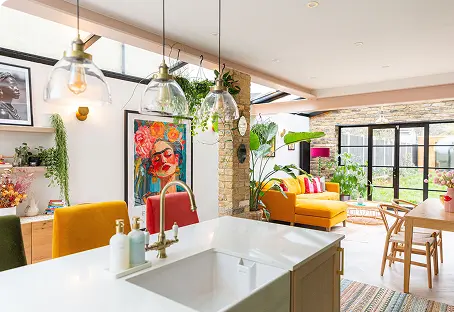
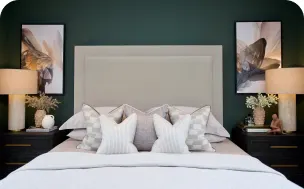
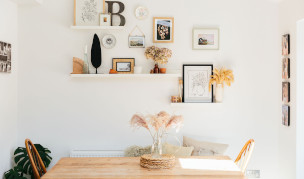



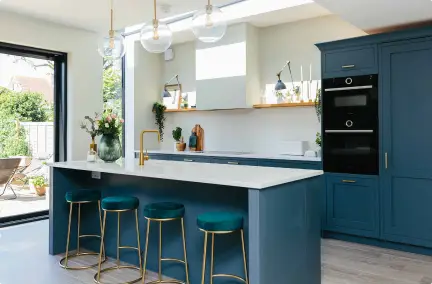











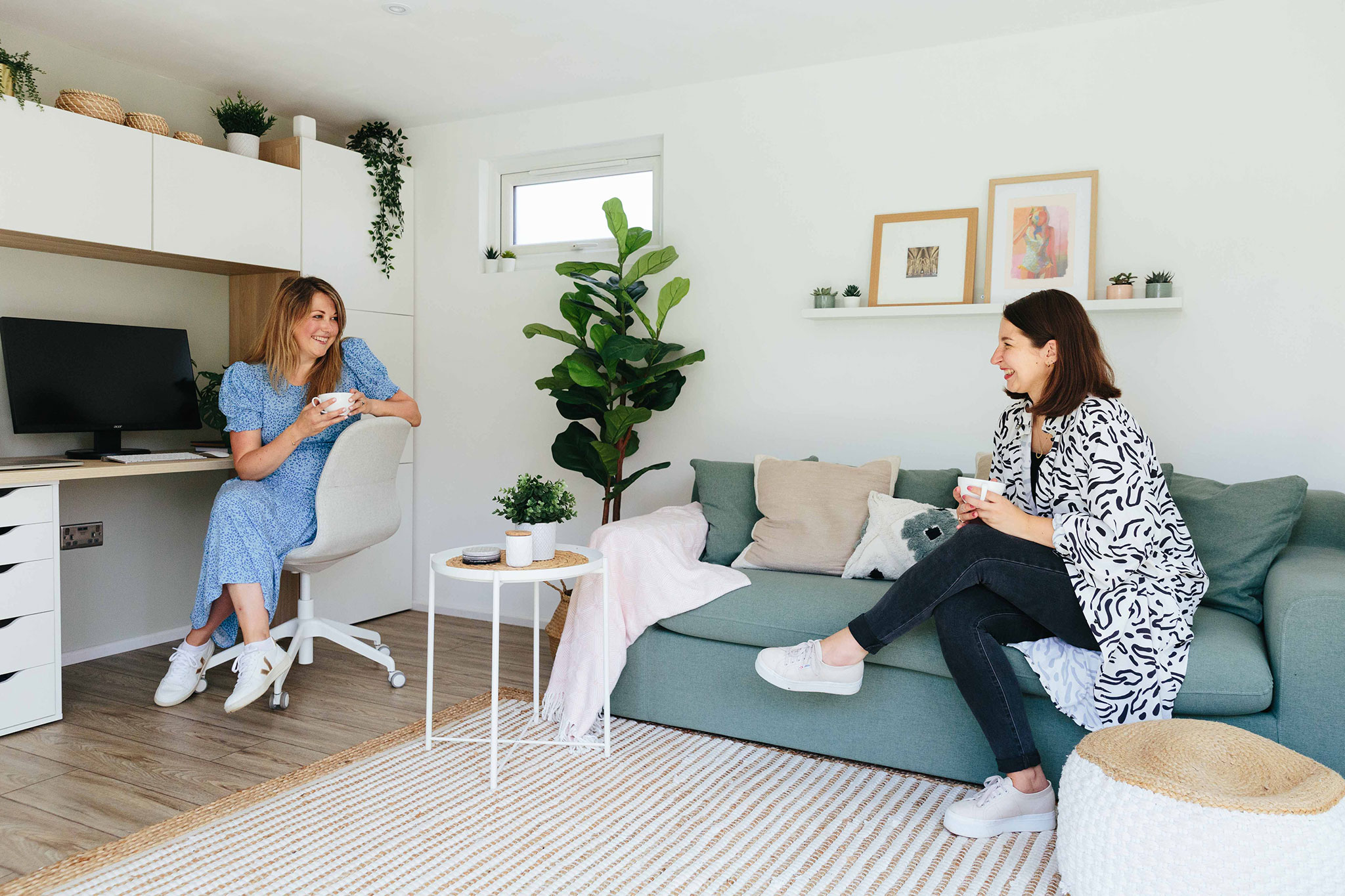
If your ideal home feels bright, clutter-free, and wrapped in warm, cosy comfort, you are almost certainly a fan of Scandinavian Interior Design.
Originating from the Nordic countries of Denmark, Norway, Sweden, Finland, and Iceland, Scandinavian (or “Scandi”) style has taken the design world by storm. At My Bespoke Room, it’s one of our most requested styles—and for good reason! It effortlessly blends clean minimalism with everyday functionality and a welcoming, warm atmosphere.
Let’s explore what defines Scandinavian interior design style, the famous concept of hygge, and how you can achieve this relaxed look in your own home.

The Origins: Born out of Long Nordic Winters
Scandinavian design emerged in the 1930s and gained international acclaim during the 1950s. The driving force behind the style was simple: harsh, dark Nordic winters meant people spent vast amounts of time indoors.
To combat cold and gloomy weather, Nordic designers created interiors that maximised natural light, felt airy and uncluttered, and prioritised comfort. Furniture needed to be practical and durable, but also beautiful and accessible to everyone—a core philosophy that still defines Scandi design today.

The Secret Ingredient: Hygge (Hue-gah)
You can’t talk about Scandinavian design without mentioning the Danish concept of hygge.
Translating roughly to “cosiness” or “contentment,” hygge is all about creating a warm, inviting atmosphere that promotes wellness and togetherness. It’s the feeling of curling up on a plush sofa with a hot cup of tea, soft lighting, and a woven blanket. Scandinavian design uses soft textures, warm woods, and flickering candles to bring this comforting feeling into every corner of the home.
Key Elements of Scandinavian Interior Design
Want to bring that breezy, cosy Nordic vibe to your living space? Here are the defining elements our interior design experts use to create the look:
1. Light, Muted Colour Palettes
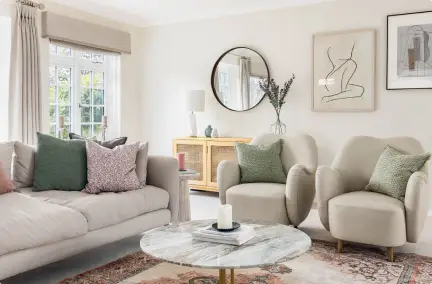
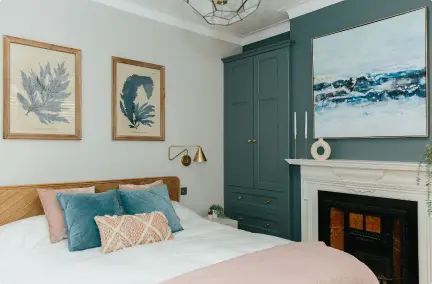
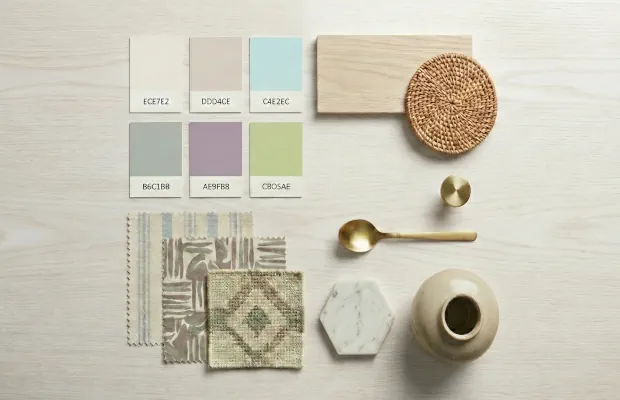
To make rooms feel as bright and spacious as possible, Scandi style relies heavily on a light backdrop. Crisp whites, soft creams, pale greys, and warm taupes dominate the walls and floors. Colour is introduced subtly through muted, nature-inspired tones—think sage green, dusty rose, soft sky blue, or mustard yellow.

2. Pale, Natural Wood
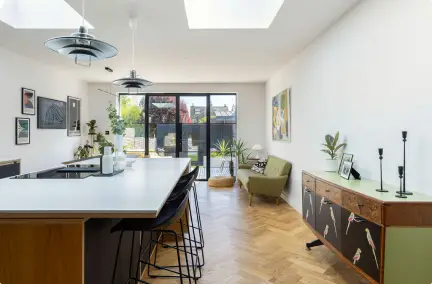
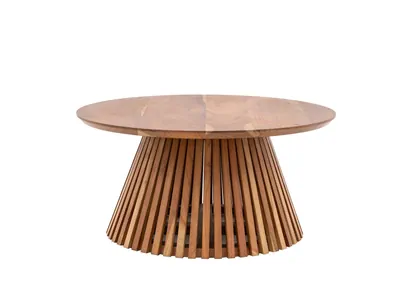
Wood is an absolute essential in Scandinavian homes. However, instead of dark, heavy mahogany or walnut, Scandi style favours light, blonde woods like oak, ash, pine, and beech. From light wood flooring to tapered chair legs and floating shelves, exposed timber brings warmth and a link to nature.
3. Functional, Streamlined Furniture
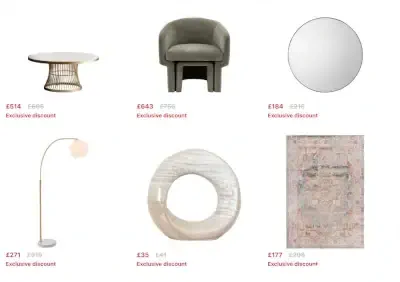
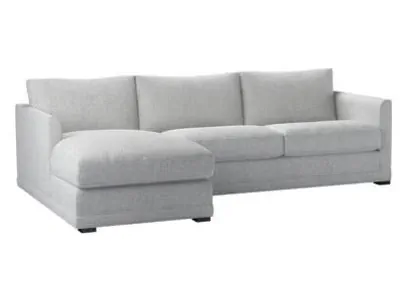
Scandinavian furniture design is world-famous for its sleek, sculptural forms. Pieces feature clean lines, rounded edges, and clever storage solutions. Nothing is purely decorative; every item serves a function while looking effortlessly stylish.

4. Layered Textures for Warmth
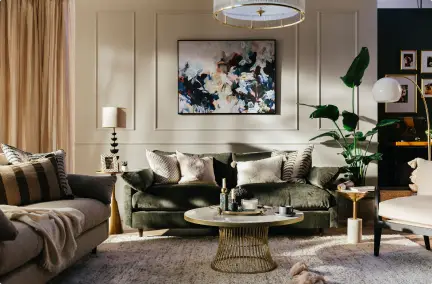
Because the colour palette is kept relatively simple, texture is key to preventing a Scandi room from feeling cold or flat. Think chunky knit throws, sheepskin rugs, linen curtains, woven jute baskets, and bouclé cushions. Layering these tactile fabrics creates instant cosy depth.

5. Maximise Natural Light & Greenery
Heavy drapery is swapped for sheer fabrics or unadorned windows to let in every bit of daylight. To bring the outdoors in, indoor houseplants, fresh eucalyptus, and simple botanical displays are placed on windowsills and tables to add fresh energy and life.
How to Style Modern Scandinavian Design in Your Home
The beauty of Scandi design is that it’s forgiving and practical for family life:
- Declutter First: Embrace the Swedish concept of lagom (“not too little, not too much—just right”). Keep surfaces tidy and invest in hidden storage.
- Ditch Wall-to-Wall Carpets: Opt for light wood or wood-effect flooring paired with cosy area rugs where your feet land.
- Layer Soft Lighting: Ditch harsh overhead lights in favour of multiple warm table lamps, floor lamps, and scented candles scattered around the room.
FAQ:
Scandinavian interior design focuses on simplicity, functionality and comfort. Common features include clean lines, uncluttered layouts, natural materials, soft textures and plenty of light, creating spaces that feel calm, practical and welcoming.
Scandinavian interiors usually feature light, neutral shades such as white, cream, beige and soft grey. Muted greens, blues and earthy tones are often added through furniture, textiles and accessories to bring warmth and personality.
Natural materials are central to the Scandinavian look. Light woods such as oak, ash and pine are especially common, alongside wool, linen, leather, ceramics and woven textures.
Layering is key. Add warmth with rugs, cushions, throws, curtains and soft lighting, while using natural wood and tactile fabrics to prevent the room from feeling too stark or minimal.
