
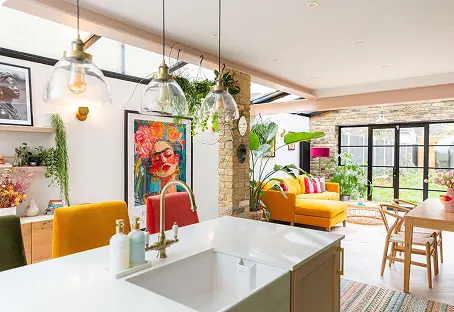

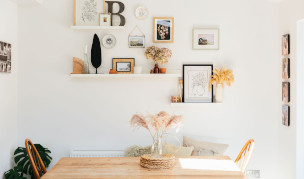



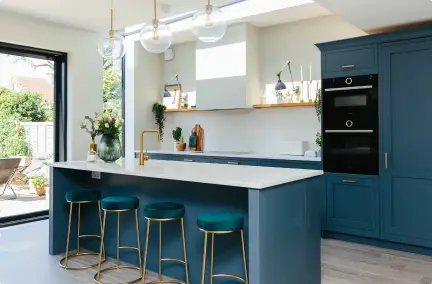
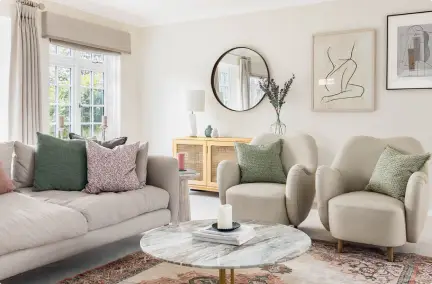











Japandi Interior Design is one of the most popular design trends because it meets this demand. Bringing its own holistic philosophy of living, Japandi bridges East and West, uniting the Scandinavian concept of hygge (comfort, coziness, and contentment) with the Japanese appreciation for wabi-sabi (the beauty of imperfection and transience). The result is an interior style that is uncluttered yet warm, minimal yet deeply human.
Whether you want to overhaul your entire home or introduce serene flow into a single room, My Bespoke Room’s comprehensive guide explores the core principles, colour palettes, materials, and room-by-room strategies needed to master Japandi interior design.

1. Understanding the Philosophy
To understand Japandi design, you must start with the shared values of its parent styles. Geographically oceans apart, Japan and Scandinavia come together through a reverence for nature, craftsmanship, and simplicity.
- Scandinavian Functionality: Nordic design dictates that a home should be practical and light-filled. Furniture should serve a clear purpose, with layouts prioritising everyday ease.
- Japanese Wabi-Sabi: Japanese design brings a soulful depth to the table. Rooted in Zen Buddhism, wabi-sabi teaches us to find beauty in imperfection. It welcomes hand-thrown ceramics with asymmetrical edges, weathered timber, and unadorned natural elements.
When combined, they create a balanced ecosystem. Scandinavian warmth softens Japanese austerity, while Japanese discipline keeps Scandinavian minimalism from tipping into clutter.

2. Key Elements of a Japandi Interior
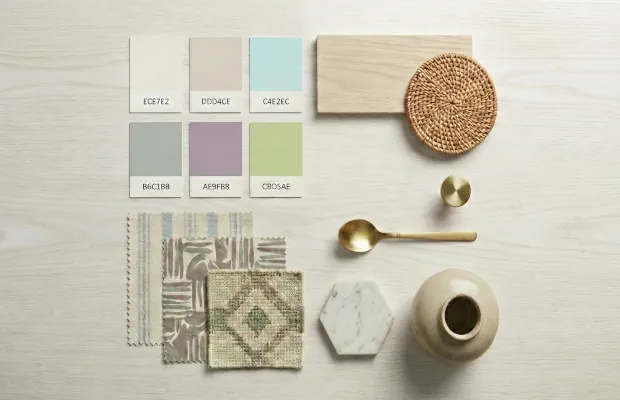
An Earthy Colour Palette
The Japandi color scheme acts as a visual exhale. Its colours are rooted directly in the natural world.
- The Foundation: Warm whites, creamy ivories, and soft greys breathe light and air into your space.
- Earthy Accents: Introduce depth with tones inspired by earth, stone, and foliage. We are talking sandy beige, warm taupe, muted olive greens, terracotta, and rich chocolate browns.
- The Contrast: To ground the space and keep it from feeling washed out, introduce black accents. Use slim black metal light fixtures, matte black hardware, or Japanese-inspired charred wood (yakisugi).

Raw Materiality
Tactility is at the heart of Japandi design. Surfaces should invite touch and feel porous and imperfect.
- Timber: Wood plays a starring role. Scandinavian influences lean toward lighter woods like ash, birch, and white oak, while Japanese sensibilities embrace deeper, richer tones like walnut and stained timber.
- Natural Textiles: Layer organic fabrics such as unbleached linen, raw cotton, heavy wool, jute, and hemp. Try to avoid synthetics, opting instead for more natural, breathable materials.
- Stone and Ceramics: Incorporate matte ceramics, soapstone, terracotta, and fluted concrete to introduce mineral textures that contrast beautifully with soft fabrics.

Low-Profile Furniture
Furniture in a Japandi home features clean lines and low silhouettes. Streamlined pieces replace ornament and bulk, while drawing closer to the ground to mimic traditional Japanese floor-seating culture. Keeping furniture low keeps sightlines open, maximizing the perception of space and light.

3. Room-by-Room Japandi Styling Guide
The Living Room
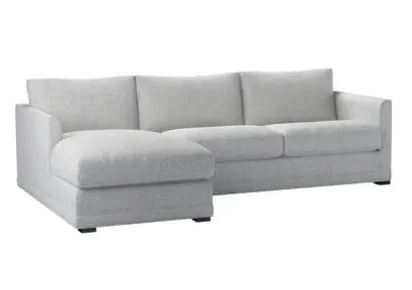
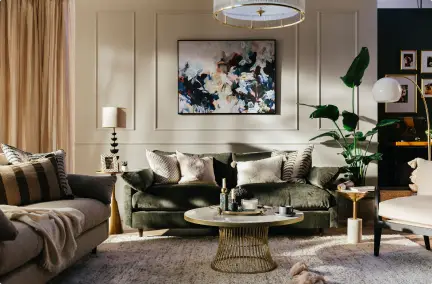
Your living room should invite you to slow down. Begin with a neutral base of warm plaster or off-white walls. Anchor the seating area with a low-slung sofa upholstered in textured linen or bouclé.

Image credit: @dasilvadesignhouse
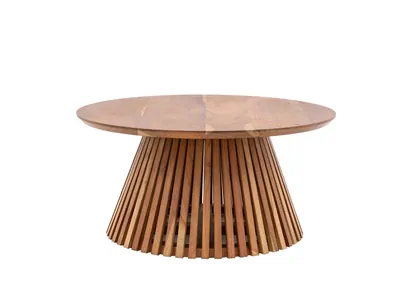
- The Coffee Table: Choose a low-profile wooden table. Style it sparingly with a single handmade ceramic bowl or a stack of art books.
- Lighting: Swap out harsh overhead lights for multi-layered lighting sources. Rice paper floor lamps, pleated fabric shades, and amber glass table lamps cast a soft glow that emulates natural light.

Image credit: @dasilvadesignhouse
The Kitchen
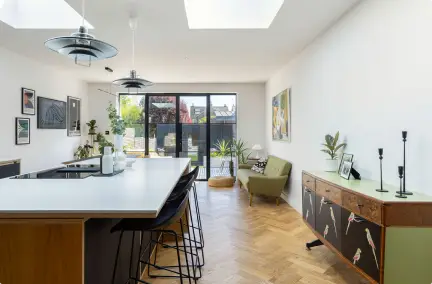
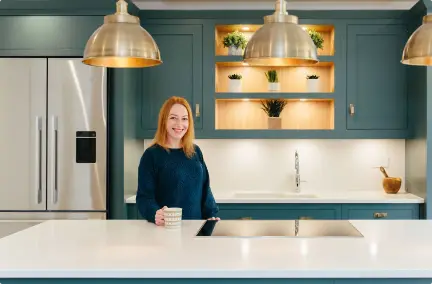
Japandi kitchens marry functionality with serenity. Cabinets should feature clean, handle-less fronts in matte wood or muted earthy tones. To maintain an uncluttered aesthetic, appliances are frequently concealed behind panels, leaving countertops clear for mindful cooking. Pair a timber dining island with minimalist chairs, and let natural stone countertops take center stage.

The Bedroom
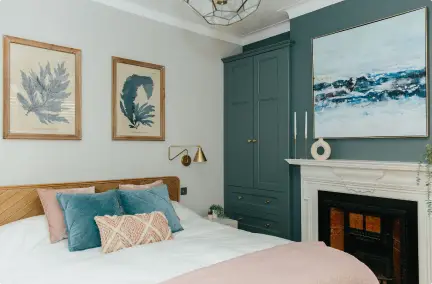
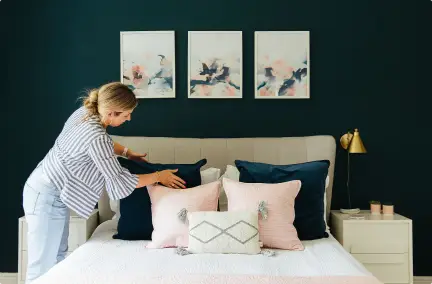
The bedroom is the locus of Japandi philosophy. Create a cocoon by wrapping the room in a warm, enveloping earth tone that extends from floor to ceiling. Opt for a low wooden bed frame dressed in crumpled linen bedding in muted shades of oatmeal, sage, or charcoal.
To minimise bedside clutter, replace bulky nightstands with a floating wooden ledge or a sculptural wooden stool holding a single ceramic water carafe.

Image credit: @dasilvadesignhouse

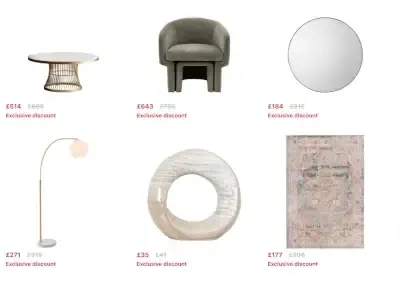
View the full design and shop-the-look >
The Bathroom
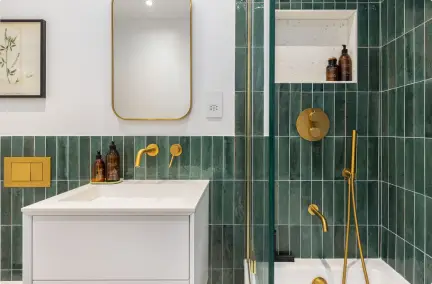
Transform your bathroom into a private onsen (hot spring retreat). Utilise large-format stone-effect tiles, a floating timber vanity, and matte black or brushed bronze fixtures. Accessorise with rolled waffle-cotton towels, a wooden bath stool, and artisanal soap bars resting on stone dishes.
4. Common Pitfalls to Avoid
Japandi magic is sometimes tricky to refine. Watch out for these common traps:
- Falling into Sterility: Minimalism can easily cross the line into feeling cold and unwelcoming. Combat this by generously layering textiles, introducing organic shapes, and prioritizing tactile materials like raw wood and chunky wool.
- Over-Matching: Wabi-sabi rejects features that are overly perfect. Avoid buying matching furniture suites; instead, curate pieces over time that converse with one another through contrasting textures and tones.
- Over-Decorating: If a room feels busy, you haven’t left enough negative space. Try strategic editing: remove three items for every one you add, allowing your favorite focal pieces space to breathe.
Designing for Longevity
At its core, Japandi interior design is an antidote to throwaway culture. By prioritizing sustainable materials and timeless silhouettes, it encourages us to invest in pieces we will love for decades.
Creating a Japandi home is about cultivating an atmosphere of quiet grace and intentionality. It imagines a space where you can exhale the pressures of the outside world and find beauty in the everyday.
FAQ:
Japandi is an interior design trend combining Japanese minimalism with Scandinavian functionality; the respective philosophies of Wabi-Sabi (simplicity in imperfection) and Hygge (cosiness and warmth)
The latest Japandi trend utilises earth-inspired neutral tones, with paint colours such as yellow, green, and a softer red; anything that avoids a harsh, cold look.
Yes, Japandi style can use black. It’s mainly used as a matte accent to ground spaces to create a cleaner contrast.
