
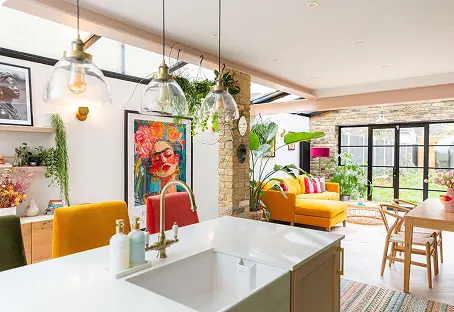
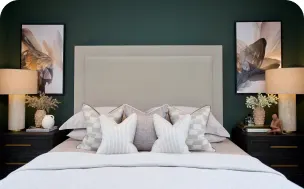
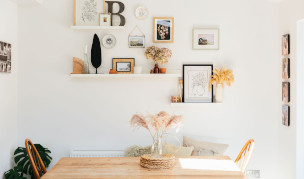
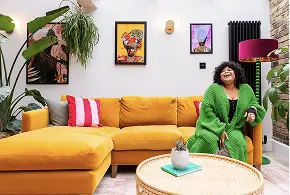

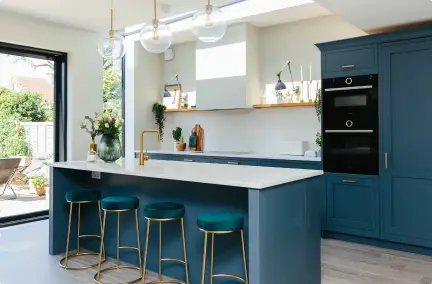
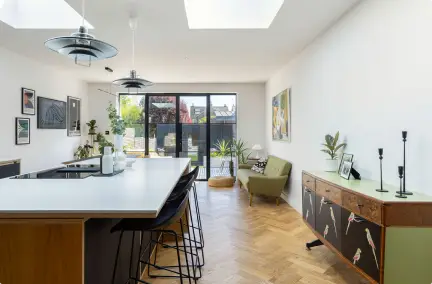










If “less is more” is your home mantra, then Minimalist Interior Design is about to become your absolute favourite style!
Contrary to popular belief, minimalism isn’t about throwing away all your possessions or living in a sterile white box. At My Bespoke Room, we see true minimalist design as the art of intentional living – creating a calm, clutter-free sanctuary where every single item has a clear purpose, a place, and room to breathe.
Let’s unpack what Minimalist interior design actually means, why it’s so much more than just a passing trend, and how you can get that sleek, peaceful look without sacrificing warmth or comfort!

The Origins: Stripping Back to the Bare Essentials
Minimalist interior design gained major traction in the late 20th century, heavily influenced by traditional Japanese architecture, Zen philosophy, and the sleek simplicity of Nordic design.
In a world filled with constant noise, notifications, and visual clutter, minimalism emerged as a peaceful antidote. The core idea is simple: by stripping away unnecessary ornamentation and focusing strictly on form, light, and space, you create an environment that actively reduces stress and promotes mental clarity.
Key Elements of Minimalist Interior Design
Thinking of adopting a “less is more” approach in your home? Here are the essential pillars our professional interior designers use to craft warm, elegant minimalist spaces:
1. Clean, Uncluttered Lines
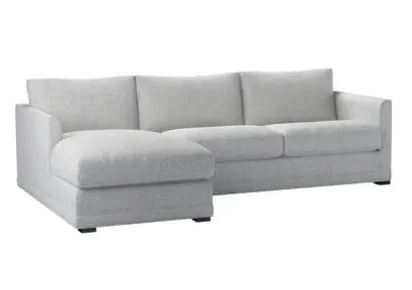
Minimalist rooms prioritise strong, clean silhouettes. Furniture features sleek, straightforward lines without fussy details, intricate carvings, or heavy skirts. Low-profile sofas, floating shelving units, and flush cabinetry keep the eye moving smoothly across the room without distraction.

2. Neutral, Monochromatic Colour Palettes
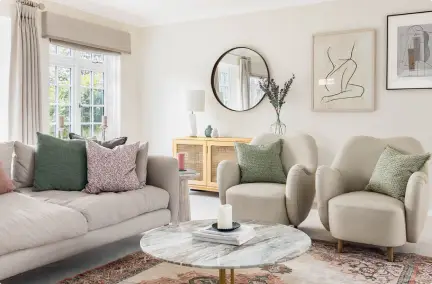
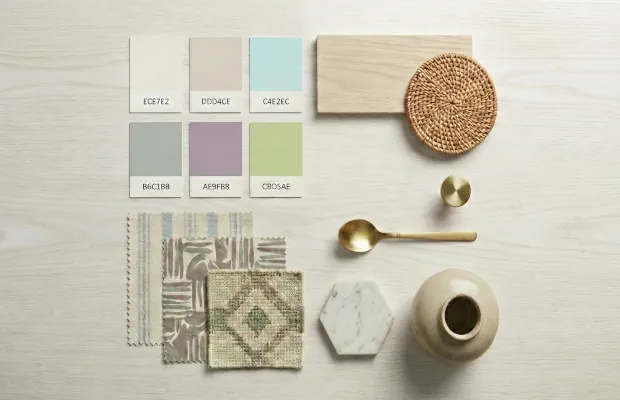
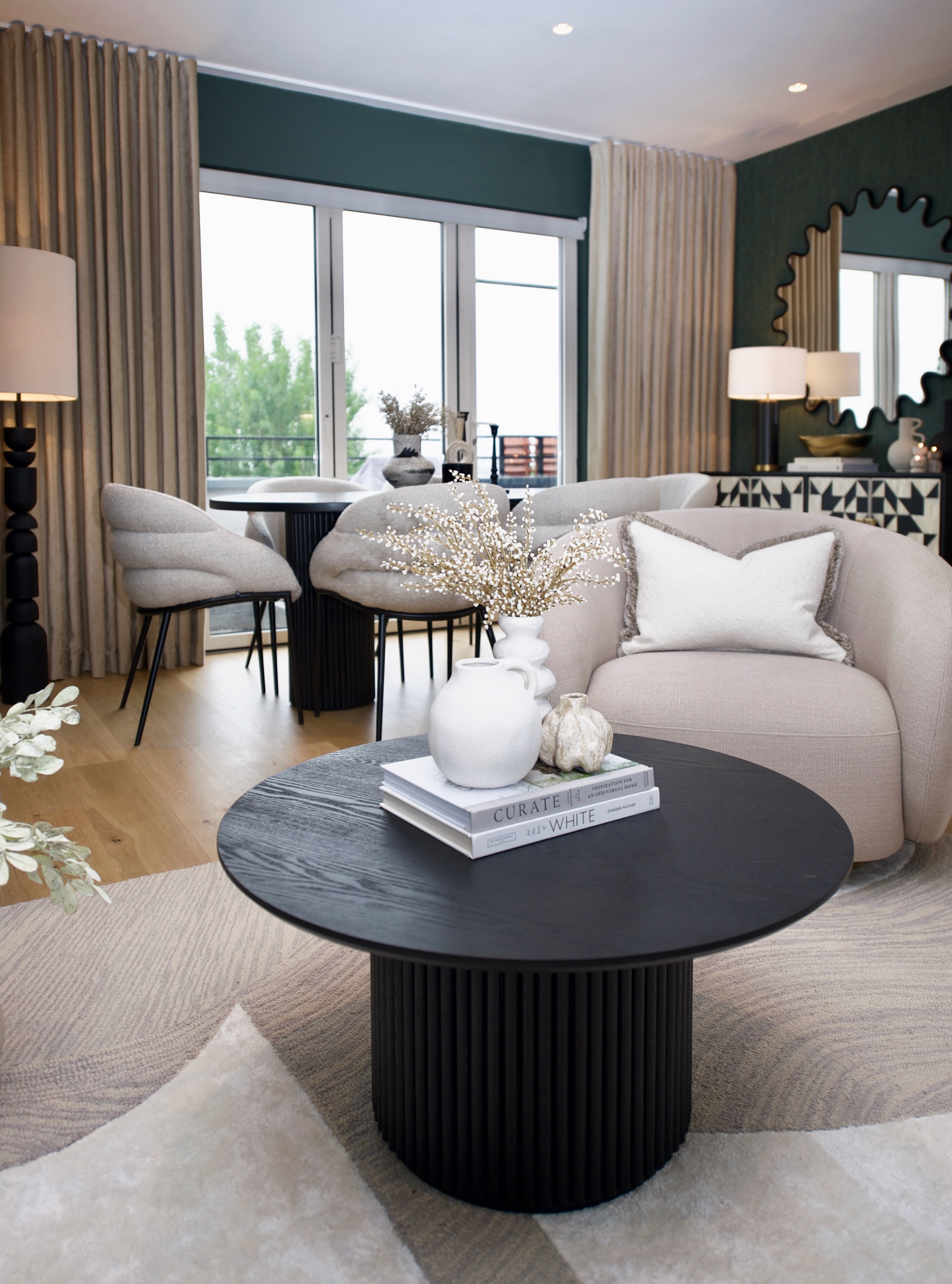
Colour schemes in minimalist homes are intentionally restrained to create a sense of cohesion and serenity. Soft whites, gentle creams, warm greys, and earthy beige tones serve as the foundation. Contrast is typically introduced through subtle black accents or dark wood details rather than bright, jarring colours.

3. High-Quality, Tactile Textures
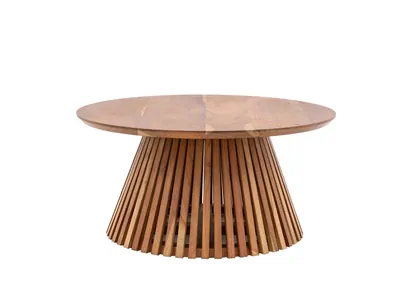
When you reduce the amount of “stuff” in a room, texture becomes the hero that keeps the space from feeling cold. Minimalist design relies on rich, tactile materials—think smooth polished concrete, rough-sawn wood, honed marble, soft linen, and chunky woven wool rugs—to add depth and visual warmth.


4. Hidden & Bespoke Storage
The secret to maintaining a minimalist home in real life is exceptional storage. Floor-to-ceiling built-in wardrobes, hidden push-to-open cabinets, and multi-functional furniture (like ottomans with concealed storage) keep everyday items completely out of sight when not in use.
5. Quality Over Quantity
In a minimalist home, every piece of furniture, artwork, and decor is carefully curated. Instead of filling a room with cheap, temporary accessories, minimalism encourages investing in a few beautifully crafted, durable pieces that speak for themselves.

How to Style Warm Minimalist Design for Everyday Life
Living with kids, pets, or a busy work schedule doesn’t mean you can’t enjoy a minimalist aesthetic! The trick is embracing Warm Minimalism—a livable, cosy take on the classic style:
- Edit Your Belongings First: Before buying new furniture, clear out the clutter. Ask yourself if an item is functional or genuinely brings you joy; if not, rehome it.
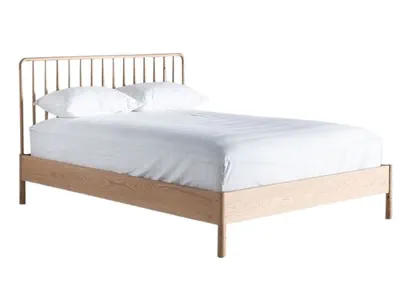
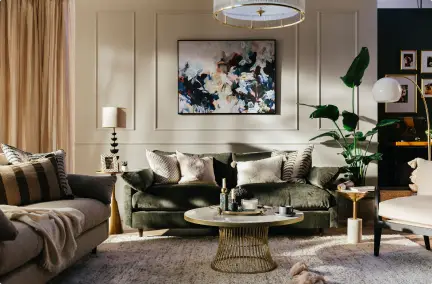
- Layer Warm Materials: Avoid pure, cold blue-whites on your walls. Pair warm plaster or off-white paint with natural oak furniture and linen drapery for an inviting finish.
- Focus on Natural Light: Keep window treatments sheer and simple to let daylight flood in, making your space feel instantly bigger and brighter.
FAQ:
Minimalist interior design focuses on clean lines, uncluttered spaces, functional furniture and a restrained colour palette. It also prioritises quality over quantity, thoughtful storage and allowing light, materials and individual pieces to stand out.
Minimalist interiors often use soft neutrals such as warm white, cream, beige and grey. Darker accents, natural wood and earthy tones can add contrast and depth without making the space feel busy.
Use tactile materials and layered textures to soften the simplicity. Natural wood, linen, wool, textured rugs and warm lighting can make a minimalist room feel inviting rather than cold or clinical.
Yes. Good storage is key to making minimalism work in a busy home. Built-in cupboards, concealed storage and multi-functional furniture can keep everyday items organised while preserving the calm, uncluttered look.
