














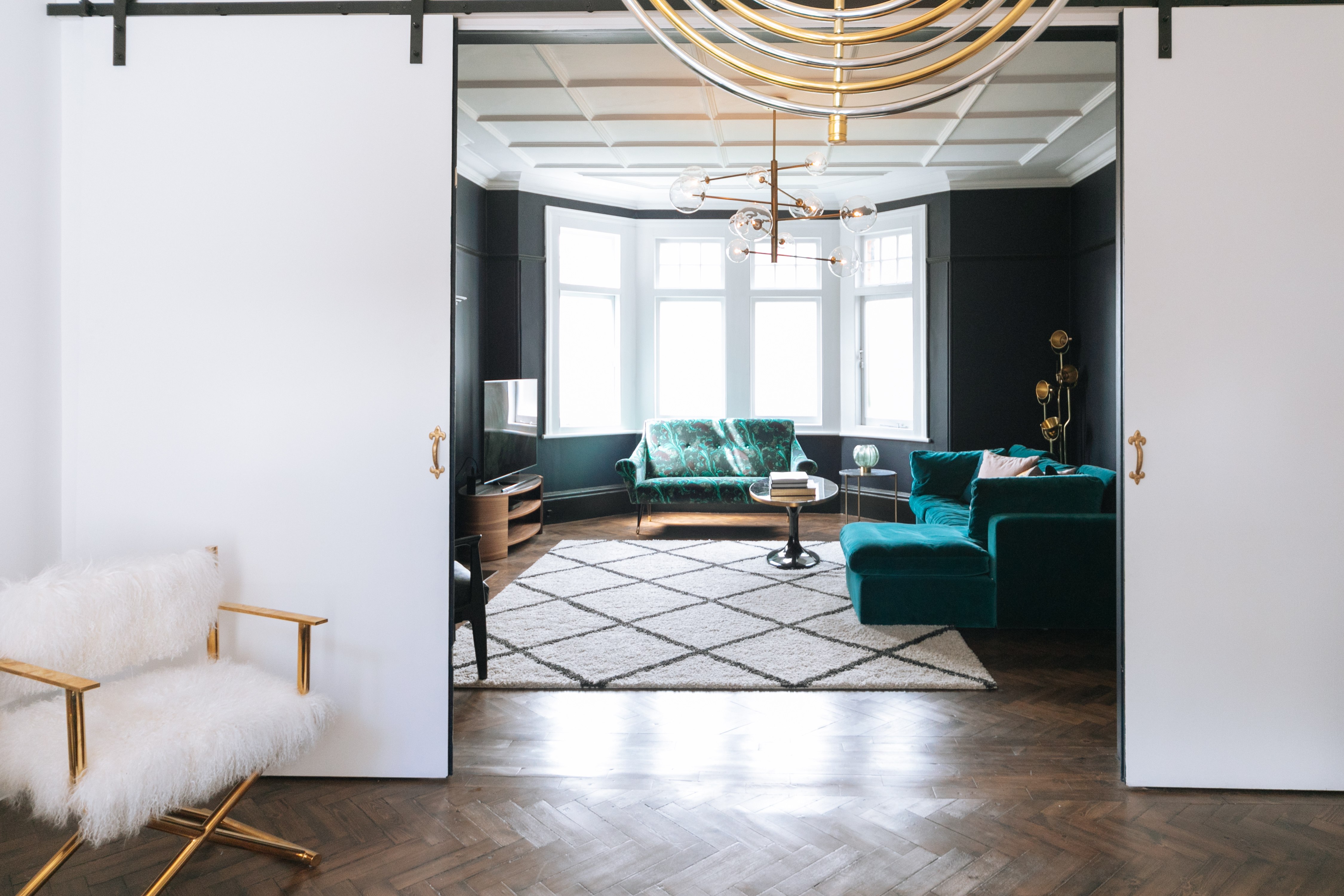
Choosing the wrong rug size can often turn into a slip-up. Pick one that’s too small, and box your furniture in. Pick one that’s too large, and you risk swallowing your room whole. The right rug anchors your space, zones open-plan layouts, and ties your whole design scheme together effortlessly.
To help you get it right the first time, here is our room-by-room guide to finding your perfect rug size.

The Living Room: Go Big or Go Home
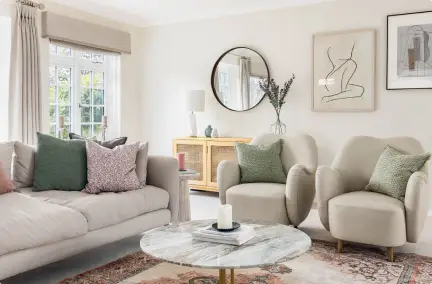
If you take only one rule away from this guide, let it be this: when in doubt, go bigger. A tiny rug in the middle of a seating area will immediately make your living room feel smaller and chopped up.
You generally have three options for living room rug layouts:
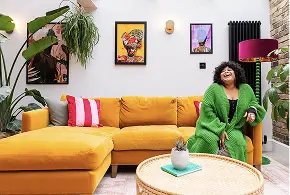
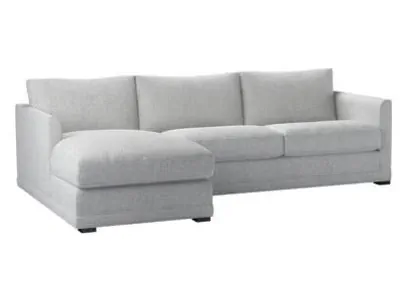
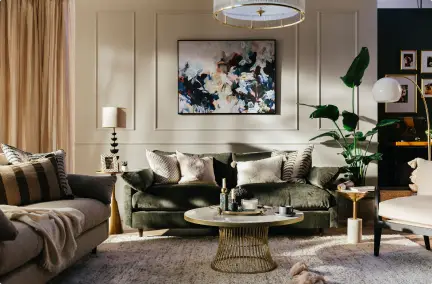
- All Legs On: Ideal for spacious or open-plan living rooms. Every piece of seating—your sofa, armchairs, and coffee table—sits fully on top of the rug. This creates a luxurious, pulled-together look.
- Front Legs On (Our Top Pick): The ultimate golden rule for standard living rooms. The front legs of your sofa and chairs sit on the rug, while the back legs rest on the bare floor. This anchors the seating zone while keeping the room feeling light and balanced.
- Coffee Table Only: Only recommended for super-compact living rooms. Your sofa sits off the rug, and only the coffee table rests on top. Just make sure the rug extends past the table so it doesn’t look lost!
Pro Tip: Your rug should extend at least 15cm to 20cm beyond both sides of your sofa to avoid making your seating look pinched.

The Dining Room: The Pull-Out Test
There is nothing more annoying than pulling your dining chair out to sit down, only for the back legs to catch on the edge of the rug.
To keep dinner parties seamless:
- Measure your dining table, then add at least 60cm to 75cm on all sides.
- This extra boundary ensures that when guests push their chairs back to stand up, all four chair legs remain comfortably on the rug.
- Match the silhouettes: A round dining table looks best with a large round rug beneath it, while a rectangular table pairs naturally with a rectangular rug.

The Bedroom: Cosy Morning Underfoot
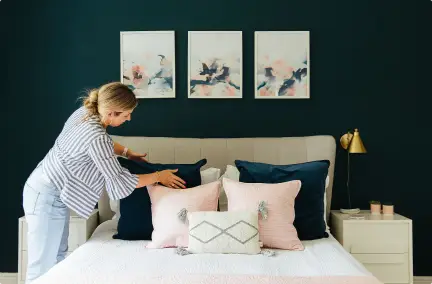
There’s no better feeling than stepping out of bed onto a plush, soft surface instead of a freezing floor! When sizing a bedroom rug, it’s all about framing the bed as the focal point.
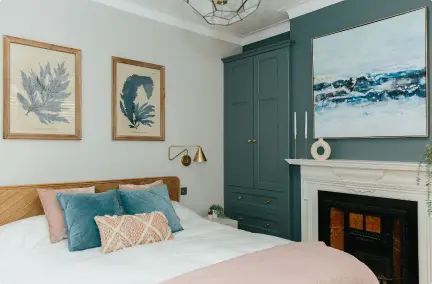
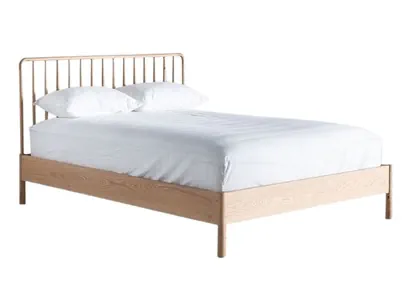
- Under the Bed (2/3 Coverage): Place the rug perpendicular to your bed, sliding it about one-third to one-half of the way down from the headboard. The rug should extend roughly 50cm to 90cm on either side and at the foot of the bed so you have plenty of stepping room.
- All Furniture On: In larger master bedrooms, place a huge rug that extends under both the bed and your bedside tables.
- The Twin Runner Option: Short on floor space or budget? Run two matching runner rugs along both sides of the bed for that instant cosy feel without buying a giant area rug.

The Hallway & Entryway: The Frame Technique
Hallway runners add instant warmth to narrow entryways, but getting the proportions right is key to avoiding a “hallway carpet runner” look.
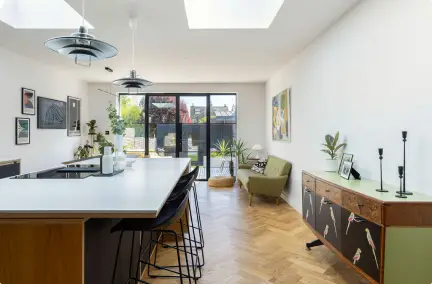
Always leave a frame of bare floor showing around the perimeter. Aim for roughly 10cm to 20cm of exposed flooring between the edge of the rug and the baseboards on all sides. This lets the rug breathe and frames your entryway beautifully.

Ready to Find Your Perfect Fit?
Before you hit “add to cart,” grab a roll of low-tack painter’s tape and mark out the rug dimensions directly on your floor. Walk around it, open nearby doors, and test out your layout. It’s the easiest way to visualise the final result before committing!
FAQ:
Ideally, yes. In most living rooms, the rug should be large enough for at least the front legs of the sofa and armchairs to sit on it. This helps connect the furniture and makes the seating area feel more cohesive.
Yes. A rug that reaches too close to every wall can make the room feel more like it is fully carpeted. Leaving a visible border of flooring around the rug usually creates a more balanced look.
Choose a rug that extends around 60cm to 75cm beyond every side of the table. This gives dining chairs enough room to remain on the rug when they are pulled out.
The rug should extend far enough beyond the sides and foot of the bed to provide a comfortable landing area. For many bedrooms, placing a large rug beneath roughly the lower two-thirds of the bed creates a balanced look without hiding the entire rug.
