












If you love spaces that feel fresh, airy, and entirely of-the-moment without feeling like a trendy fad, you are likely swooning over Contemporary Interior Design.
Because the term is used so often, it is easy to get it confused with other styles. At My Bespoke Room, we believe interior design styles should be approachable, practical, and tailored to how you actually live. Contemporary design is one of our absolute favourites because it gives you the freedom to infuse sleek modern forms with a sense of warmth.
Let’s unpack what Contemporary interior design really means, how it differs from Modern design, and how you can bring this effortlessly cool look into your own home!

A Style That Evolves in Real-Time
Unlike historic movements tied to a fixed era, Contemporary interior design literally means “of the now.”
It isn’t locked into a specific decade or historical ruleset. Instead, Contemporary design reflects the current trends, architectural innovations, and lifestyle needs of today. Right now, that means combining clean-lined minimalism with cosy textures, organic curves, sustainable materials, and a sense of calm sophistication.
Because it is constantly evolving, Contemporary style allows you to incorporate what is popular right now while seamlessly honouring the original character of your home.

Contemporary vs. Modern
This is easily the number one mix-up we encounter with our clients! While the words are often used as synonyms in casual conversation, in the design world, they mean two very different things:
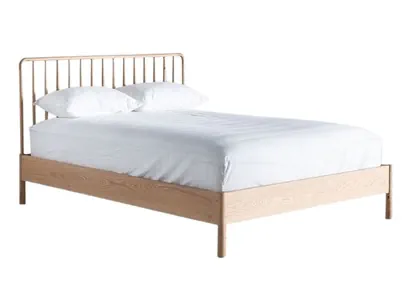
- Modern Design refers to a specific historical design movement from the early-to-mid 20th century (think Mid-Century Modern). It favours crisp, straight lines, functional shapes, and wood accents without unnecessary frills.
- Contemporary Design is fluid and dynamic. It borrows the clutter-free ethos of modernism, but softens it up. Contemporary spaces love flowing curves, mixed materials, playful textures, and whatever colour palettes are currently capturing our collective imagination.

Key Elements of Contemporary Interior Design
Want to achieve that glossy, magazine-worthy look while keeping your home cosy and lived-in? Here are the core building blocks our professional designers use to style a Contemporary room:
1. A Blend of Clean Lines and Soft Curves
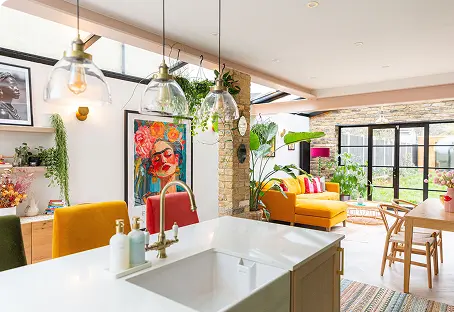
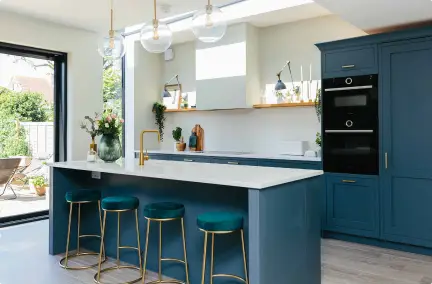
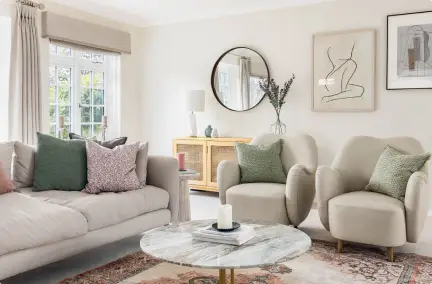
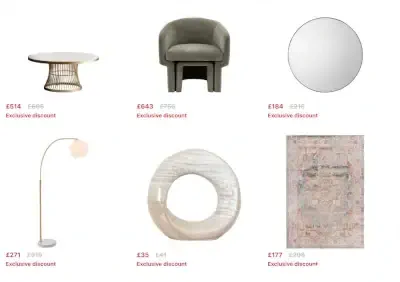
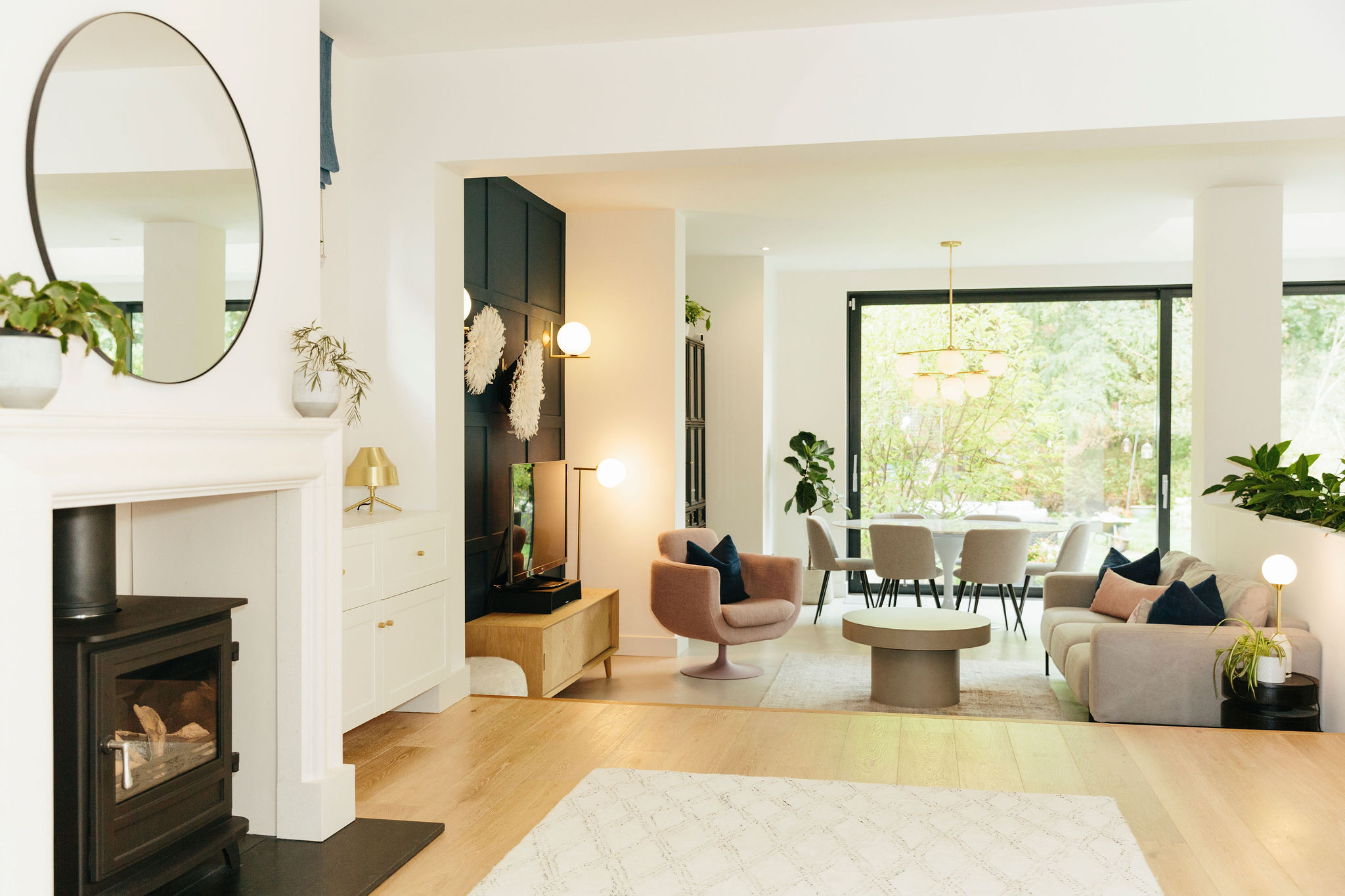
Contemporary spaces love structure, but they balance straight edges with gentle, organic silhouettes. Think an arched doorway, a rounded bouclé armchair, a sweeping curved sofa, or an oval dining table set against crisp, clean walls.

2. Neutral Foundations with Sculptural Accents
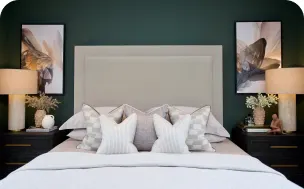
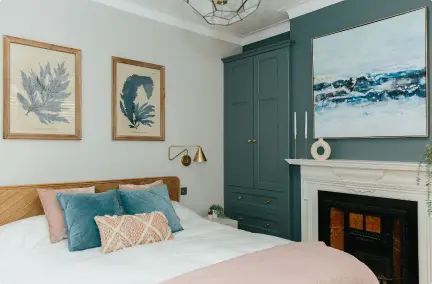
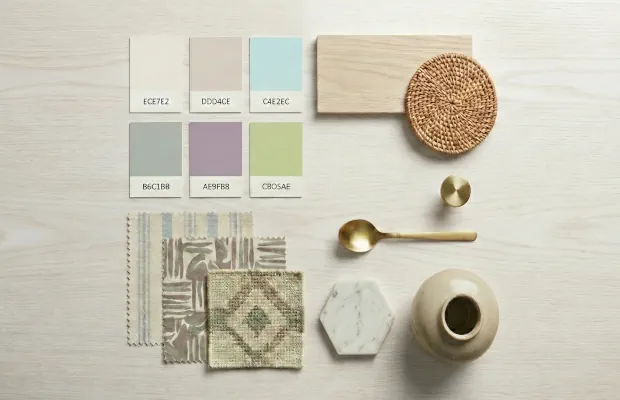
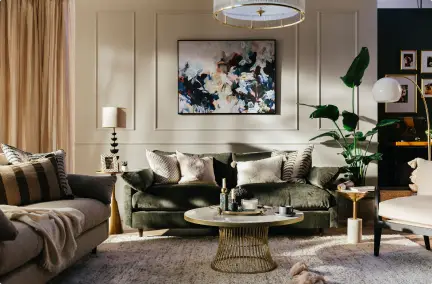
The base colour palette is typically grounded in sophisticated neutrals—creams, taupes, warm greys, and charcoal. To keep the space from feeling flat, Contemporary design relies on sculptural statement pieces: an oversized piece of abstract art, an architectural light fixture, or a bold accent chair that acts as a work of functional art.

3. Mixed Materials & High-Low Textures
Texture is everything in a contemporary room! To create depth, design schemes seamlessly mix materials that contrast one another. You’ll often see smooth stone like marble paired with ribbed wood panelling, matte black metals offset by plush wool rugs, or shiny glass sitting alongside tactile linen curtains.

4. Smart, Integrated Storage
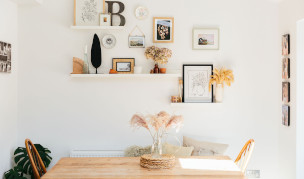
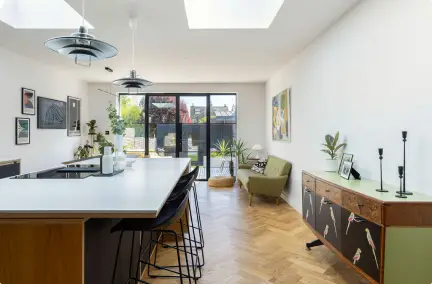
A hallmark of today’s contemporary aesthetic is intentional simplicity. Clutter is kept well out of sight thanks to bespoke built-in joinery, flush cabinetry, and multi-functional furniture. When the background clutter is cleared away, your favourite decorative pieces finally have room to shine.

5. Thoughtful, Layered Lighting
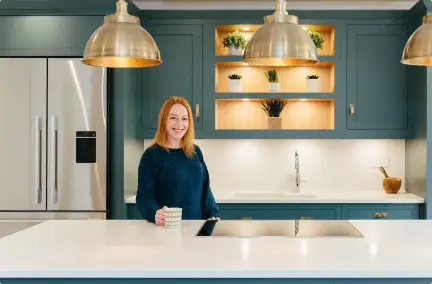
Lighting in a Contemporary home is treated as a major design feature. Instead of relying on a single overhead light, contemporary schemes layer ambient LED strip lighting, sculptural floor lamps, and statement pendants to change the mood of the room at the flick of a switch.

How to Style Contemporary Design for Everyday Living
The best part about Contemporary style is how adaptable it is for busy homes with kids, pets, and everyday mess:
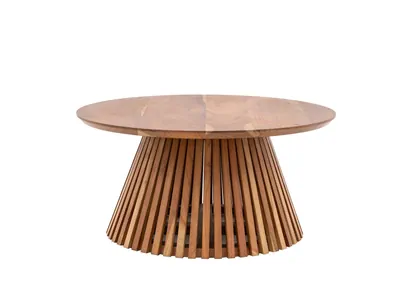
- Embrace Organic Shapes: Swap sharp, boxy coffee tables for rounded or pebble-shaped designs that are both child-friendly and on-trend.
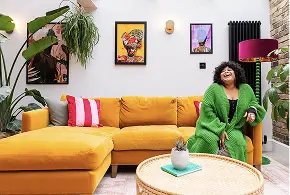
- Bring in Biophilic Touches: Pair sleek furniture with large indoor plants, terracotta vessels, or stone accents to ground the space in nature.
- Layer Up Textures: If you keep your walls neutral, use chunky knits, bouclé, and velvet cushions to make your seating feel irresistibly sink-in comfortable.
FAQ:
Modern interior design refers to a defined historical movement, particularly styles that developed during the early-to-mid 20th century. Contemporary interior design describes what feels current today, so it evolves over time and can borrow elements from Modern, Minimalist and other styles.
Not necessarily. While contemporary design reflects current tastes, its focus on clean lines, balanced layouts, quality materials and functional spaces gives it a strong foundation. Trend-led colours and accessories can then be updated more easily over time.
Contemporary interiors often start with warm neutrals such as cream, taupe, soft grey and charcoal. Stronger colours can be introduced through artwork, furniture and accessories, while natural materials and varied textures help stop the scheme from feeling flat.
Start with a simple, uncluttered layout and introduce a mix of clean-lined furniture, softer curved shapes and layered textures. Statement lighting, natural materials, integrated storage and a few sculptural accessories can create a contemporary feel without requiring a complete redesign.
