


















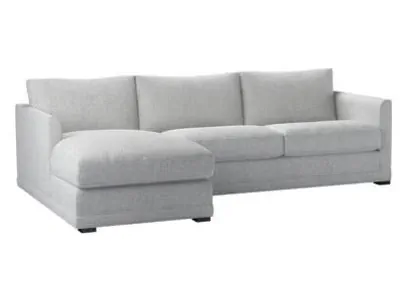





Your sofa is the hardest working piece of furniture in your home. While you have your morning coffee, or your pet decided to have a lie in, the sofa will collect the risidues of day-to-day rituals and will need attention and carte overtime.
Knowing how to properly clean a sofa is so important not just to maintain aesthetics and hygene, but also to extend the lifespan of your investment. However, different fabrics and materials require different approaches.
Here is everything you need to know to clean your sofa safely and effectively, protect your fabric, and handle everyday stains.

Step 1: Check the Care Label First
Before you do anything, find and read the manufacturer’s care tag. These standardised cleaning codes dictate what methods and products are safe to use:
- W: Water-safe. You can use water-based cleaning agents, steam cleaners, or a wet cloth.
- S: Solvent only. Do not use water. These fabrics require dry-cleaning solvent or water-free cleaning products to avoid staining or warping.
- WS: Water or Solvent. Safe for either water-based cleaners or dry-cleaning solvents.
- X: Vacuum only. These delicate fabrics cannot tolerate liquids or solvents of any kind; they must be professionally cleaned or gently vacuumed.

Step 2: Clear Away Debris and Vacuum Thoroughly
Surface dirt and crumbs are sandpaper for the fibres, wearing them down prematurely.
- Remove Cushions: Take off all loose cushions, pillows, and throws.
- Vacuum the Frame: Use the upholstery attachment on your vacuum cleaner to thoroughly vacuum the entire frame, crevices, seams, and underneath the cushions.
- Vacuum Cushions: Vacuum both sides of all loose cushions. Take your time getting into tight corners and button tufts where pet hair and crumbs are nestled.

Step 3: Tackle Stains According to Fabric Type
If your sofa has localised stains, treat them carefully depending on whether it is fabric or leather.
For Fabric Sofas (Code W or WS)
- Blot, Don’t Rub: If a spill just happened, gently blot excess liquid with a clean, dry white cloth or kitchen roll. Rubbing pushes the stain deeper into the weave.
- DIY Cleaning Solution: Mix a few drops of mild dish soap with warm water. Alternatively, combine equal parts white vinegar and water in a spray bottle.
- Spot Test: Always test your cleaning solution on a hidden area (such as the back or underneath the sofa) to ensure it doesn’t cause discolouration.
- Gently Clean: Lightly dab the stain with a microfibre cloth dampened with the solution. Blot repeatedly until the stain lifts, then dab with a separate damp cloth with clean water to rinse away soap residue.

For Leather Sofas
- Dust First: Wipe down the surface with a dry, soft microfibre cloth to remove loose dust.
- Mild Cleanser: Mix warm water with a few drops of mild liquid soap or specialised leather cleaner. Dampen a cloth (ensure it is wrung out tightly, as leather should never get soaked) and wipe down the sofa.
- Condition: Once dry, apply a quality leather conditioner to keep the material supple and prevent cracking.

Step 4: Deodorize and Refresh
Over time, sofas absorb everyday household odours from cooking, pets, and general daily life.
- Baking Soda Treatment: For fabric sofas (check your tag first), sprinkle a generous layer of bicarbonate of soda (baking soda) evenly across the upholstery.
- Let It Sit: Leave the baking soda to sit for at least 30 to 60 minutes to absorb trapped grease, moisture, and odors.
- Vacuum Away: Use your vacuum’s brush attachment to thoroughly remove all of the powder.

FAQ:
You should give your sofa a light vacuuming and surface wipe-down every week or two to control dust and pet hair. Plan a deeper clean, involving stain treating and deodorising, every six to 12 months.
Only if your sofa’s care label clearly states W or WS, and you use an attachment designed for upholstery rather than high-pressure carpet-cleaning heads, which can saturate the foam filling and cause mold.
Baking soda is excellent for general odours. For localised pet accidents, use an enzymatic cleaner formulated specifically for upholstery to break down uric acid crystals rather than just masking the smell.
