












Designing a child’s bedroom can be a delightful artistic project. But when that bedroom is on the more compact side, the stakes get a little higher. Beyond colour palettes and fun decor, designing the room – whether it be for a boy or a girl – can feel like doing a puzzle.
In a small bedroom, every square inch has to work twice as hard. A space that is a sanctuary, play hub and study zone all at once, it needs to pack in functionality without feeling claustrophobic. It all comes down to clever spatial planning, multi-functional furniture, and a few expert visual design tricks.
Key Points for Your Kid’s Small Bedroom
- Prioritise the floor: Keep at least 60% of the floor open by pushing furniture to the perimeter.
- Go vertical: Use mid-sleepers, floating shelves, and picture ledges to free up floor space.
- Choose double-duty pieces: Invest in ottoman beds, under-bed drawers, and modular storage.
- Manipulate space with paint: Use light, calming tones, paint wardrobes to match the walls, or use vertical stripes to add height.
- Keep accessories flexible: Lean on removable wall stickers, framed gallery walls, and soft furnishings to inject personality that can evolve as your child grows.

1. The Golden Rule of Layout: Floor Space is King
When it comes to children’s bedrooms, the floor is not just for walking, but for dancing, building, reading and painting.
As a professional layout secret, aim to keep at least 60% of the floor space completely open. In a small room, achieving this requires pushing the furniture to the perimeter.
Rethink Bed Placement
While interior design rules often advise centering a bed on a main wall, a small kids’ room calls for a different strategy. Tuck the bed firmly into a corner or flush against a wall. This instantly opens up the middle of the room, creating a cohesive, unbroken play area.
If you are dealing with a tricky loft conversion or an attic room with sloping eaves, position the bed framework under the lowest part of the ceiling. Children don’t need standing headroom while they sleep, and this frees up the precious full-height center of the room for dressing and playing.
Safety First
With less room to manoeuvre, bumps and scrapes are more likely. Opt for furniture with rounded edges instead of sharp corners. If you are upcycling existing furniture, a quick sanding to soften the corners can make a world of difference.

2. Think Vertically
When floor space is scarce, the only way to go is up. Vertical space is the most underutilised asset in a small bedroom. By shifting your storage and functional zones off the floor and onto the walls, you can magically expand the perceived size of the room.
High-Sleepers and Mid-Sleepers
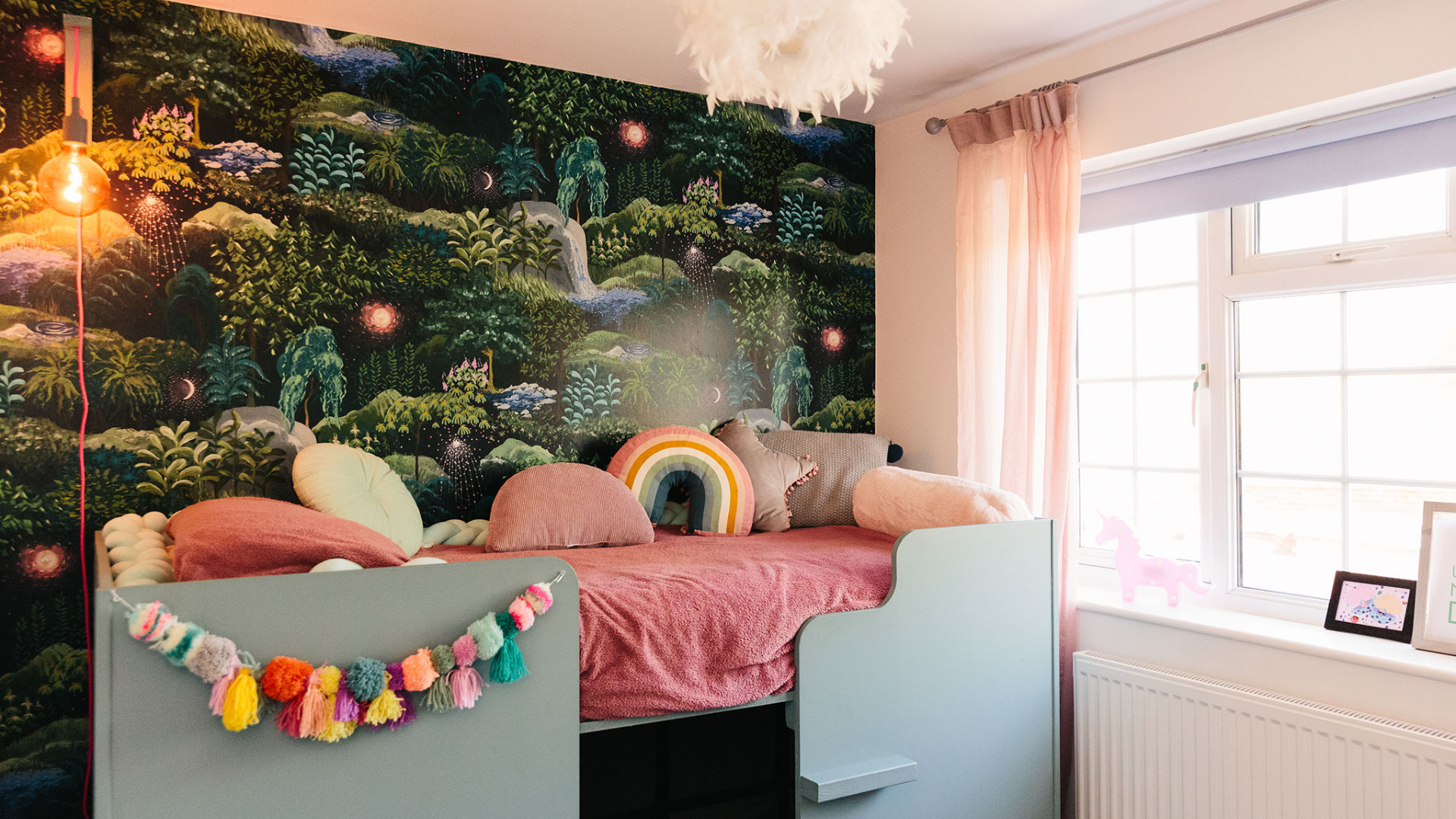
For children aged six and older, elevated beds are an absolute game-changer. A mid-sleeper or a loft bed lifts the mattress off the floor, instantly doubling your usable square footage.
The under-bed space can then be smartly zoned to suit your child’s current life stage:
- The Toddler Years: Turn the under-bed cave into a magical reading nook or a hidden den. Add a plush, low-profile beanbag, a soft shaggy rug, and some fairy lights to create an enchanting hideaway.
- The Primary School Years: This space can morph into a dedicated study corner. Slide a compact desk and a comfortable chair underneath to create a focused area for schoolwork and arts and crafts, keeping the rest of the room distraction-free.
- The Teenage Transition: As they grow, the under-bed area can house a sleek chest of drawers or a low-profile gaming setup with a gaming chair and a floating media unit.
Floating Shelves and Picture Ledges
Trade bulky bookcases for floating wall-mounted shelves. They keep the floor clear and create an airy, spacious feel.
Picture ledges are particularly brilliant for younger kids. By displaying books face-out rather than spine-out, you turn their favourite storybooks into vibrant, rotating wall art. It also makes it much easier for little hands to find exactly what they are looking for.

3. Master the Art of Multi-Functional Furniture
In a small bedroom, a piece of furniture that only serves one purpose is a luxury you cannot afford. Every investment piece should be on double duty.
Beds That Secretly Store
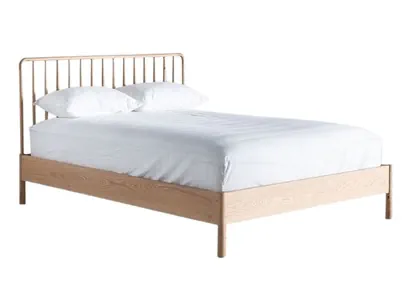
The space directly beneath a standard bed frame can gather dust or, if managed correctly, become a storage goldmine. Look for kids’ divan beds or ottoman beds with lift-up bases. They offer vast, hidden storage compartments perfect for stowing away seasonal clothing, extra bedding, or oversized toys that don’t fit on shelves.
Alternatively, opt for a bed frame with integrated wooden under-bed drawers or use lightweight bamboo lidded baskets that slide smoothly out of sight.
Modular and Adaptable Pieces
Look for furniture that can pivot as your child’s needs evolve. Wardrobes with adjustable internal shelves and hanging rails are essential. When they are toddlers, you can fit two or three hanging rails for tiny clothes; as they grow into teenagers, you can remove rails to accommodate longer garments.
Consider modular storage cube systems with removable canvas tubs or water hyacinth baskets. These are fantastic for teaching children the importance of tidying up. Toys can be grouped by category (e.g., cars in one basket, building blocks in another), and the baskets can be pulled completely out onto the floor during playtime.

4. Clever Colour Psychology and Optical Illusions
Colour is one of the most powerful and budget-friendly tools in an interior designer’s toolkit. The way you apply paint can completely manipulate the perception of space, making a tight room feel significantly larger and brighter.
The Power of Neutrals and Calming Tones
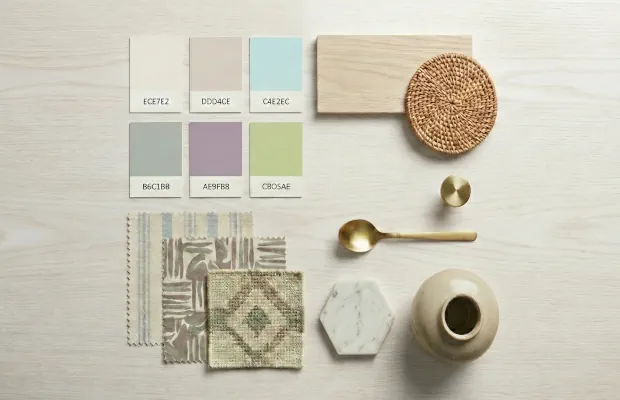
To make a small room feel airy and tranquil, establish a foundation palette of soft, light-reflecting neutrals or gentle pastels. Off-whites, sandy tones, muted sage greens, and pale lavender create a serene, calm atmosphere that reduces stress and encourages sleep.
Despite your child’s wishes, avoid painting every wall a vibrant shade like neon yellow or hot pink, as this will visually close the walls in and can overstimulate a child when it is time to wind down.
The Disappearing Wardrobe Trick
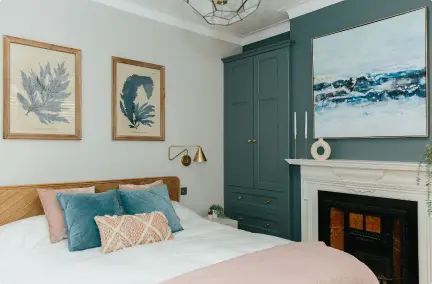
One of our absolute favourite professional design hacks for small rooms is to paint built-in wardrobes or large storage units the same colour as the walls. If your walls are a deep midnight navy or a soft forest green, paint the woodwork to match. This causes the bulky furniture to recede visually into the background, preventing the room from feeling cramped and heavy.
Paint in Patterns to Alter Proportions
You can use masking tape and a tester pot of paint to create geometric paint features that cheat the eye:
- To raise a low ceiling: Paint wide vertical stripes or add classic vertical-stripe wallpaper. This draws the eye upward, making the ceiling feel higher.
- To lengthen a narrow room: Paint a sharp diagonal line across a feature wall or use a two-tone wall effect where the bottom half is darker than the top half. This breaks up the solid mass of the wall and creates an illusion of architectural depth.

5. Infuse Personality Without Creating Visual Clutter
A small room should still be brimming with joy, magic, and character. However, there is a fine line between a character-filled room and visual chaos. The key is to start with a timeless, neutral canvas for the large pieces of furniture and layer personality through easily updatable details.
Say No to Fixed Themes
While your child might be completely obsessed with a specific cartoon character, space rockets, or dinosaurs today, their tastes will inevitably change. Instead of investing in permanent themed furniture or expensive character wallpaper, use temporary, kid-friendly wall stickers or decals. They add instant whimsy but can be peeled off effortlessly when your little one moves on to their next obsession.
Soft Furnishings and Textures
Textiles are the ultimate way to inject life and comfort into a compact room. A patterned rug breaks up the floor space, adds warmth underfoot, and defines the play zone.
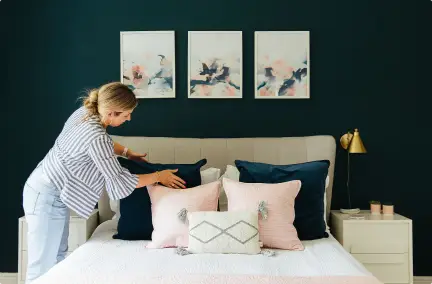
Layer the bed with patterned duvet covers, a cable-knit blanket, and a few vibrant accent cushions, like a textured pop-art pillow. These small pops of colour lift the entire scheme without overwhelming the senses.
Strategic Lighting
Good lighting is essential in a small room to eliminate dark corners that make a space feel enclosed. Instead of relying solely on a single overhead pendant, layer your lighting:
- Add a warm brass wall lamp next to the bed for nighttime reading, which will save space on a bedside table.
- Weave delicate fairy lights or LED strips around a bed frame or shelving unit to create a magical, cosy glow.
- Use a whimsical nightlight, like a moon-shaped side lamp, to provide comfort during the night while acting as a stylish accessory by day.
Designing a beautiful, functional small bedroom is all about fun, yet smart curation. By focusing on these core design pillars, you can create a space your child will love:
With a combination of creativity and strategy, even the smallest box room can become a dream sanctuary for your little adventurer.
FAQ:
Choose a bed that makes better use of the available space, such as one with built-in drawers or storage underneath. For older children, a suitable mid-sleeper or high-sleeper can also free up valuable floor space for storage, studying or play.
Use vertical and hidden storage wherever possible. Floating shelves, picture ledges, under-bed drawers, wall-mounted storage and adaptable wardrobes can provide plenty of organisation without filling the floor with bulky furniture.
Soft neutrals, gentle pastels and other light-reflecting shades can help a compact bedroom feel more open. Painting large storage pieces in the same colour as the walls can also make them visually recede into the background.
Look for a compact desk that can sit beneath a raised bed, inside an unused corner or against a short section of wall. Wall-mounted or fold-down desks can also provide a study area without permanently taking up valuable floor space.
