
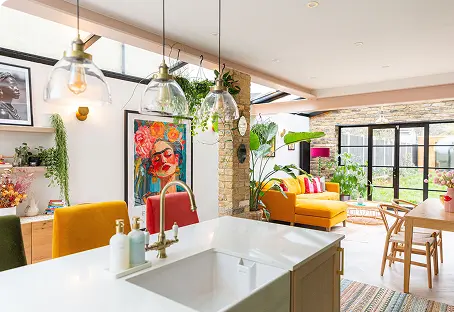
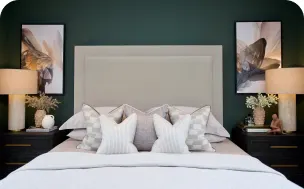
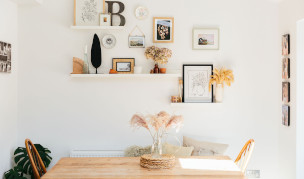
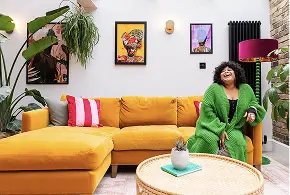








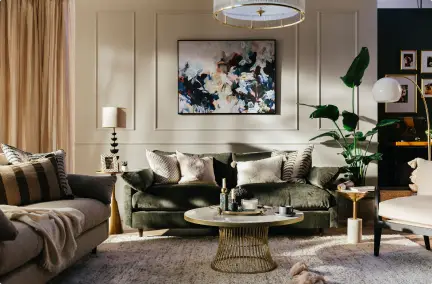

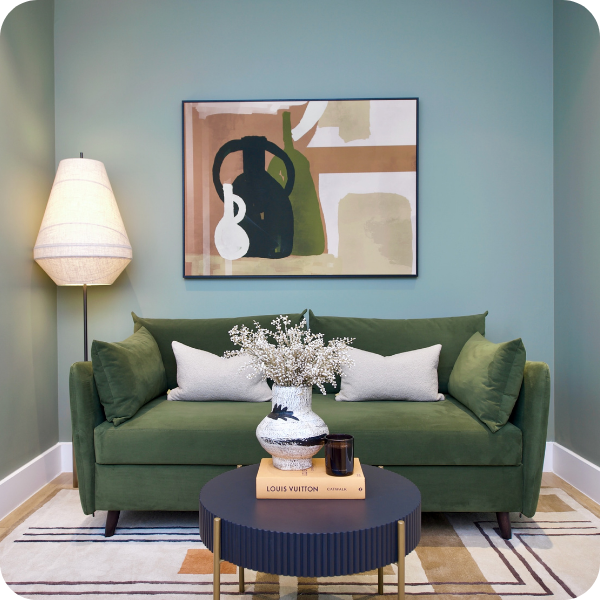
Ever walked into your room and thought, “Was it always this… snug?” Don’t worry, it’s probably not your imagination (or your furniture secretly multiplying overnight). Because, more often than not, it’s a few sneaky interior design mistakes making your space feel smaller than it really is.
Here are the most common culprits, and how to show them the door!
Key points
| Strategy | Key Focus |
| Scale is important | Choosing furniture that’s too big, too small or badly proportioned is a common mistake that can make your room feel smaller and instantly awkward. |
| Layout can make or break a space | Poor furniture placement can block walkways, interrupt flow and make a room feel more cramped. |
| Light is your best friend | Natural light, layered lighting and bright corners all help a room feel more open and inviting. |
| Less clutter, more calm | Too many small pieces, accessories or visible everyday items can make even a tidy room feel busy. |
| Planning saves pain | Buying furniture before you’ve worked out the layout is one of the quickest ways to end up with a room that doesn’t quite work. |

1. Choosing furniture that’s the wrong scale

Image credit: My Bespoke Room
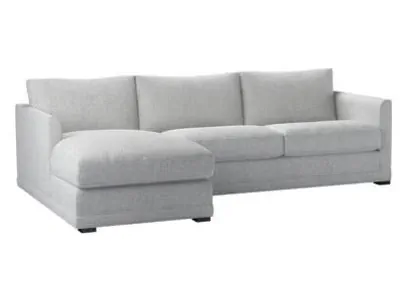
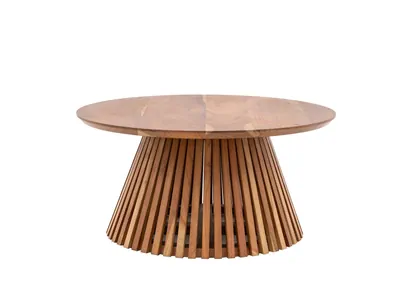
Just because a piece of furniture can fit in a room, it doesn’t mean it should. We all love the idea of the biggest sofa possible – more seats, more lounging, more room for everyone. But in reality, it can end up dominating the space and leaving you with very little room to breathe. This mistake inevitably makes your room feel much smaller.
The trick is choosing furniture that works with the space, not against it. Take a step back, measure your space properly, and choose pieces that allow your room to feel balanced, comfortable and easy to move around in.
2. Using too much furniture

Image credit: My Bespoke Room
We love a beautiful side table as much as the next person, but there is such a thing as too many “useful little pieces”. Too much furniture can make a room feel crowded, cluttered and harder to move through. Sometimes the most spacious-looking rooms are the ones where a few hardworking pieces are allowed to shine.
Before you start shuffling furniture around for the 47th time, speak to an expert designer. We can help you create a layout that feels spacious and practical – with design support from just £195 per room. Get started today:
Book a FREE Designer Call3. Pushing everything against the walls

Image credit: My Bespoke Room
It feels logical: push the furniture back, create more space in the middle. But in reality, this can leave you with an awkward empty dancefloor effect – and unless you’re planning a living room disco, it’s not the best look.
When furniture hugs every wall, you actually see less of the wall itself, which can make the room feel more cramped. Pulling furniture in slightly allows more wall space to be visible, helping the room feel more open, relaxed and considered.
4. Blocking natural walkways

Image credit: My Bespoke Room
A room will always feel smaller if you have to shimmy around the coffee table, dodge a chair or perform a small sideways shuffle just to get to the door. Good traffic flow makes a huge difference. When furniture is placed with movement in mind, the whole space instantly feels easier, calmer and more generous.
A better layout, smarter storage and the right furniture choices can completely change how your home feels – and you don’t have to figure it all out alone! Book your FREE call with a designer today:
Book a FREE Designer Call5. Using rugs that are too small

Image credit: My Bespoke Room
While a lot of the other tips here are about scaling things down, rugs are the one place where going bigger really pays off. A small rug can actually make a room feel smaller by breaking up the floor space and making everything around it look more cramped.
Instead of creating a cohesive layout, it highlights the gaps between furniture and makes the room feel disjointed. Choosing a larger rug helps unify small, open spaces, making it feel more open, balanced and thoughtfully put together.
6. Blocking natural light

Image credit: My Bespoke Room
An interior design mistake by any standard, but even more in small rooms, is blocking natural light. It’s one of the easiest ways to make a room feel bigger, brighter and happier, so let the sunshine in! When light can flow freely through a room, it reduces shadows and visually expands the space, giving the illusion of more square footage.
Heavy curtains, bulky furniture in front of windows or cluttered window sills can all stop light from doing its magic. Keep windows as clear as possible and let that lovely daylight earn its keep.
Ready to make your home feel calmer, bigger and more pulled together? We’d love to help:
Book a FREE Designer Call7. Relying on one overhead light

Image credit: My Bespoke Room
The dreaded “big light” has a lot to answer for. One overhead light can make a room feel flat, harsh and oddly smaller, especially in the evening, because it casts shadows into corners and doesn’t create any sense of depth. Without layers of light, the space can feel more enclosed and less inviting.
Especially important for living rooms or bedrooms; layered lighting, think table lamps, floor lamps, wall lights and softer glows, helps brighten every corner, adds depth and makes the room feel much more open and welcoming.
8. Hanging curtains too low

Image credit: My Bespoke Room
Curtains hung just above the window can make your ceilings feel lower, and windows feel smaller. It’s an easy mistake to make – often because people follow the window frame as a guide or assume the rail should sit just above it. Hanging them higher and wider creates the illusion of height and makes the room feel instantly more elegant. It’s a small change, but it can make your windows look like they’ve had a very chic growth spurt.
Want your home to feel more spacious, stylish and easier to live in? Our designers can help you get there with expert advice tailored to your space:
Book a FREE Designer Call9. Not leaving enough negative space

Image credit: My Bespoke Room
Filling every space is tempting in small rooms as you don’t have much to work with, but it can quickly make things feel busy and smaller than they really are. When there’s no breathing room, the eye has nowhere to rest and everything starts to feel a bit overwhelming. Leaving some areas intentionally clear helps create a sense of calm and makes the space feel bigger and more open – think of it as giving your home (and your brain) a little room to breathe.
10. Using lots of tiny accessories

Image credit: My Bespoke Room
People often think tiny rooms call for tiny accessories, but it can actually be a big mistake. Filling a space with lots of small pieces can quickly create visual clutter, even if everything is technically tidy. Too many little frames, candles, vases and decorative bits can make surfaces feel busy fast. Fewer, larger pieces often feel more intentional and give your styling more impact.
Your home has more potential than you think, sometimes it just needs a clever plan. That’s where we come in! Book a FREE consultation to chat to one of our designers:
Book a FREE Designer Call11. Not having enough hidden storage

Image credit: My Bespoke Room
Everyday clutter is one of the quickest ways to make a room feel smaller. Open shelves and pretty baskets have their place, but sometimes you need storage that hides the chaos properly. Closed cupboards, storage ottomans, built-ins and clever multifunctional furniture can make a room feel instantly calmer.
12. Not calling in an expert sooner

Image credit: My Bespoke Room
One of the most common mistakes we see? Waiting too long to get expert help. It’s easy to spend time (and money) trying to fix things yourself, only to end up with a room that still doesn’t quite work
At My Bespoke Room, our interior designers help you make the most of the space you already have, giving recommendations that suit your home, style and budget. Our design support starts from just £175 per room, and it all begins with a FREE design consultation.
Book your free call today and let’s help your home feel bigger, calmer and beautifully pulled together.
Book a FREE Designer CallA room can feel smaller because of poor layout, oversized furniture, too much clutter, bad lighting or pieces that don’t suit the scale of the space. Often, it’s not the size of the room that’s the issue — it’s how the room is being used.
Start by looking at your layout, furniture size and lighting. Choose pieces that fit the scale of the room, keep walkways clear, use layered lighting and avoid filling every surface or corner. A few thoughtful changes can make a room feel much more open and easy to live in.
Usually, no. It can seem like the obvious thing to do, but pushing everything against the walls can leave an awkward empty space in the middle and make the room feel less connected. Pulling furniture in slightly can often make the layout feel more considered and spacious.
Absolutely. A good interior designer will tailor recommendations to your budget, helping you prioritise where to invest and where to save. At My Bespoke Room, our designers work with a wide range of budgets to help clients create beautiful homes that feel luxurious without overspending.
Yes, mirrors can help a room feel bigger, especially when they reflect natural light or a lovely view. The key is placing them thoughtfully, rather than using them to reflect clutter or a dark corner.
