












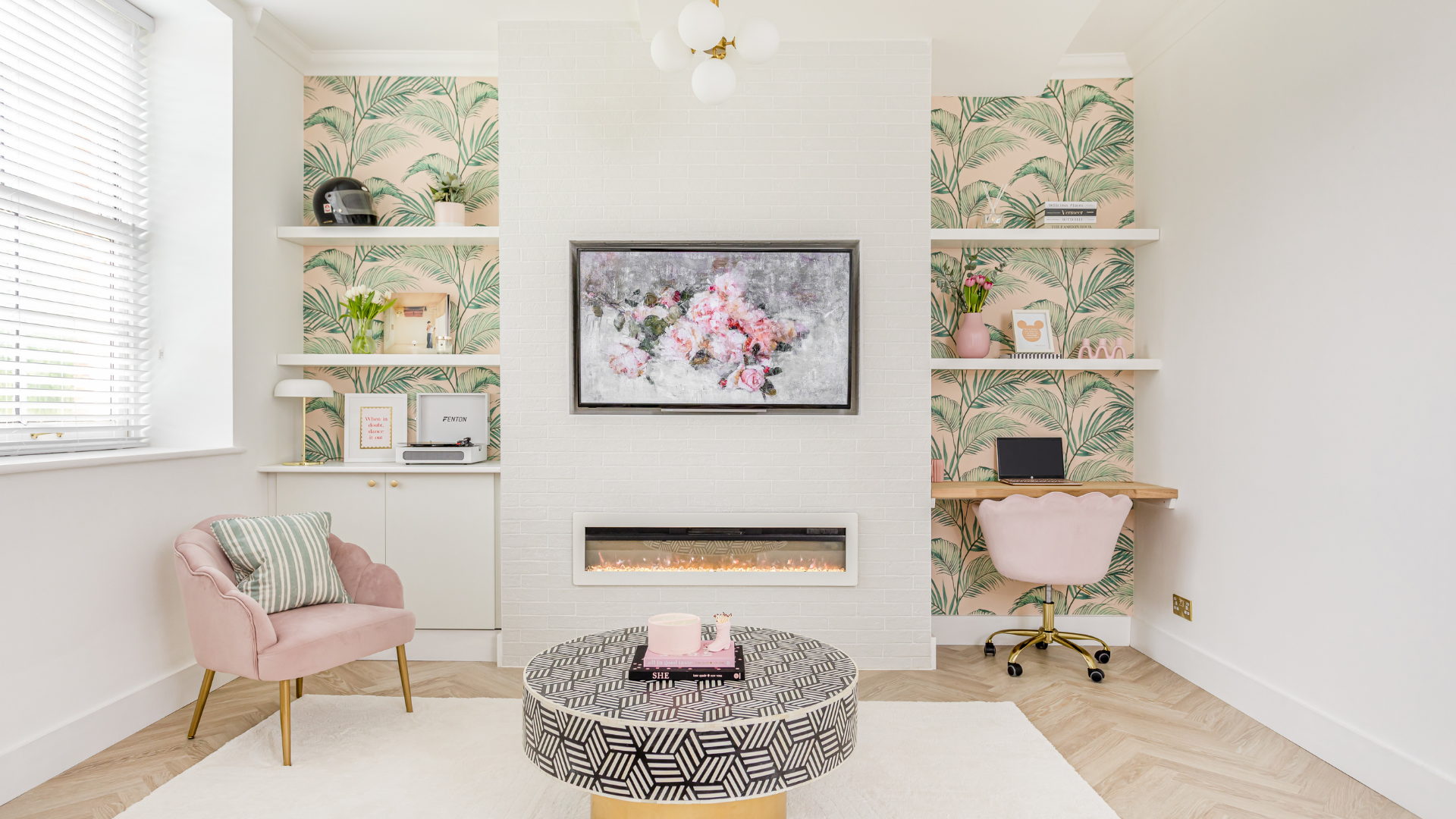
Those architectural recesses on either side of your chimney are packed with untapped design potential. Too often, they become default locations for a standard television setup or get crammed with mismatched, freestanding furniture that never quite sits right.
When you treat alcoves as an afterthought, you miss a prime opportunity to inject real architectural interest, depth, and structural balance into your home.
Here are some tasteful ways to design your living room alcoves, introducing fresh layout concepts, daring styling techniques, and clever zoning methods. If you’re after more general tips on how to style alcoves in other parts of the house, in your kids’ bedroom for example, check out our dedicated fireplace and chimney breast alcove guide.

1. Frame a High-Impact “Drop Zone” Console
If you want to keep your living room feeling airy and modern, you really don’t have to fill the entire height of an alcove. Leaving the upper portion of the recess open creates a wonderful sense of negative space, making the room feel larger and less crowded.
Instead of heavy joinery, anchor the bottom of the alcove with a sleek floating console table or a low credenza that sits slightly away from the back wall. This introduces a gallery-like “drop zone.” Above this console, lean into asymmetric styling. Rather than a centred piece of art, hang a bold sculptural mirror off-centre, and balance it with an oversized ceramic vase holding a few dramatic branches. This minimalist approach transforms an awkward niche into an intentional, highly curated design statement.

2. Bring the Outdoors In
Alcoves are naturally shadowed spaces, which makes them the perfect backdrop for introducing vibrant organic textures. If you are tired of plain painted plaster, think about turning one of your alcoves into an indoor botanical corner.
Install a floor-to-ceiling vertical grid framework right inside the recess and fill it with a rich tapestry of real or high-quality faux trailing plants. To make this feel like a deliberate design choice rather than a random garden corner, paint the interior alcove walls a deep, velvety forest green before mounting the plants. The dark background masks the pots and mounting hardware, making the lush green foliage look like it is magically bursting out of the architecture.

3. Go Retro
For music lovers, an alcove provides the perfect proportions for an integrated listening station that feels nostalgic, yet sleek. Rather than shying away from your physical media, make it the main event.
Source a gorgeous, mid-century teak lowboy or commission a floating wooden shelf specifically deep enough to hold a turntable and an amplifier. Beneath the turntable surface, create dedicated vertical vinyl record slots facing outward, allowing the beautiful artwork of your record sleeves to serve as a changing graphic display. Line the back wall of this specific alcove with acoustically absorbent acoustic wood felt panels. Not only do these slatted panels look highly architectural and expensive, but they also improve the sound quality of the room, turning an awkward recess into an audiophile’s safe corner.
4. Floating Art
Gallery walls can look cluttered in a tight recess, and a single piece of art can sometimes feel lost. A brilliant alternative that brings a contemporary, architectural edge to your living room is a sleek, black metal or timber art ledge system.
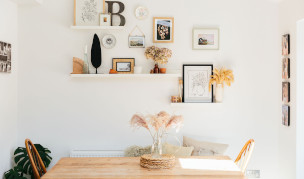
Run three or four slim, shallow picture ledges horizontally across the entire width of the alcove, from wall to wall. Instead of hanging frames permanently, stand an eclectic mix of framed photography, sketch art, and graphic prints directly on the ledges, overlapping the frames slightly to create a layered, casual look. The beauty of this setup is total flexibility; you can swap out the artwork, mix in small sculptural objects, or change the colour palette seasonally without ever having to patch a single hole in the drywall.

5. The Grand Illusion
If your living room feels a bit dark or cramped, you can use your alcoves to trick the mind into thinking the room continues into another dimension.
Commission a glazier to install seamless, floor-to-ceiling antiqued mirror glass sheets directly onto the back wall of the alcoves. Opting for an antiqued, foxed, or smoky finish rather than standard clear mirror glass ensures the effect is soft, moody, and glamorous, rather than harsh and clinical. The mirrors will instantly catch the natural light bouncing from the opposite windows, reflecting it into the room and making the walls flanking your fireplace look like openings into a secret space beyond.
6. Dramatic Arch
Many modern homes suffer from a lack of structural character, comprising rigid right angles across the board. You can use your alcoves to soften the entire architecture of the room by altering the actual shape of the opening.
Before you even think about paint or furniture, have a plasterer round off the square top corners of your alcoves to create smooth, soft-sweeping arches. This instantly mimics the timeless elegance of Mediterranean or Art Deco architecture. Keep the inside of the arch empty and minimalist, painting it in a shade that coordinates with your walls. The simple introduction of a curved structural silhouette breaks up the boxy feeling of a standard living room, crowning it instead with a new focal point.

7. Line It with Textile
If you want your living room to feel cosy yet high-end, look beyond standard wallpaper and paint. Wrapping the interior walls of an alcove in a luxury textile creates an enveloping, tactile experience that adds depth to the interior.
Consider lining the alcove walls with a textured grasscloth, a raw slub silk, or even a sophisticated tailored linen wallcovering. Because alcoves are recessed, they are protected from high traffic, making them the ideal spot to use delicate, premium materials that you might hesitate to put on a main wall. When the light hits the alcove from an angle, the natural weave of the fabric catches the light, creating subtle shadows and a rich texture that makes the entire room feel layered and expensive.
Your alcoves are waiting to be noticed and styled. By steering clear of predictable furniture layouts and embracing bold textural changes, botanical elements, or custom structural shapes, you can transform these niches into the highlight of your home. Treat each recess as its own distinct design canvas, and watch your entire living room transform.
FAQ:
They don’t have to be identical. Matching alcoves can create symmetry around a fireplace or chimney breast, while styling them differently can give each recess its own purpose. Repeating colours, materials or finishes will help mismatched alcoves still feel connected.
Choose furniture that fits comfortably within the recess without looking squeezed in. Floating consoles, low cabinets, shelving and bespoke fitted storage can all make good use of an alcove while preserving valuable floor space.
Either approach can work. Painting the alcove the same colour as the surrounding walls creates a seamless look, while a contrasting or darker shade can emphasise the recess and turn it into a feature.
Mirrors, integrated lighting and lighter finishes can all help. A mirror at the back of an alcove can reflect light into the room, while picture lights, LED strips or small lamps can prevent the recess from becoming a shadowy corner.
