



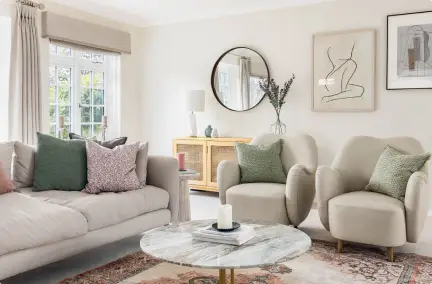
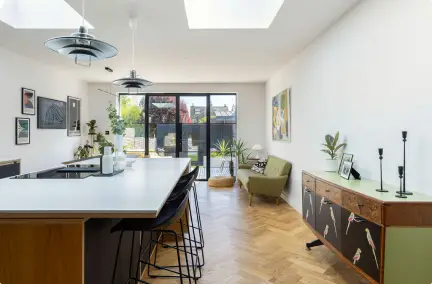
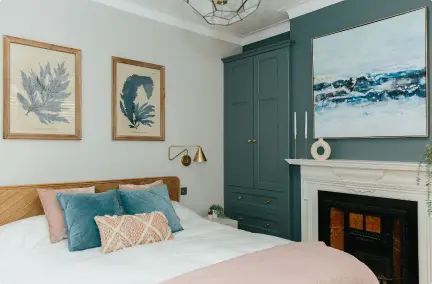
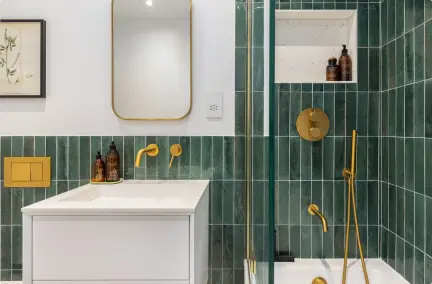














A Lifestyle Shift. Not Just a Location Change
Property has always been in my DNA. Long before I founded My Bespoke Room, I was fascinated by the way a home’s layout and decor could dictate the rhythm of a family’s life. That obsession with creating homes that work for living is exactly what led me to start the business.
I wanted to make professional, thoughtful design accessible to everyone, not just those with huge budgets – which is why our tagline is “interior design for everyone”. Having spent years helping thousands of homeowners transform their spaces, I’ve learned that the best designs aren’t born from trends, but from the reality of daily life.

For over two decades, I built my life in the South of England. My most recent chapter was in Southbourne, Dorset. A place defined by salt air, a strong sense of community, and a home I had already transformed from the ground up.
It worked. It looked good. It felt like “home.” But life has a way of evolving.
With three children, shifting routines, and my eldest about to start secondary school, my priorities didn’t just shift, they clarified. I realised that space isn’t just about square footage; it’s about emotional breathing room. More than anything, I realised how much I missed being near my family.
The long drives, the missed birthdays, and the mismatched school holidays weren’t just “part of life” anymore – they were compromises I was no longer willing to make. You don’t always move because something is broken. Sometimes, you move because something else matters more.

Why Troon?
Living by the sea was my only non-negotiable. It isn’t a luxury for me; it’s how I breathe.
Living by the sea had become part of everyday life – not a luxury, just something Laura and her family weren’t willing to give up.
So when it came to relocating, the brief was simple. It had to be coastal.
Troon offered something different. Not a like-for-like – but something that felt right for this next stage.

The Reality of the Troon House
The new house in Troon had real potential – you could feel it. But the layout didn’t work, at least not for how Laura and her family actually lived day-to-day.
And that wasn’t a surprise. They knew it before they bought it but they also knew they could make it work.
On the surface, it was more than liveable. Generous in size, but noticeably dated. And once you spent time in it, the shortcomings became obvious:
- The kitchen sat in the darkest part of the house.
- There was little connection to the garden.
- Rooms felt disconnected and the layout inefficient.
- A conservatory added floor space, but didn’t actually improve their quality of life.
- Storage hadn’t been properly considered.
- Overall, the house lacked the flow that modern family life demands.
The challenge wasn’t spotting the problems; it was knowing how to solve them properly. And that was the opportunity. This was never going to be a light “refresh”. It needed a complete rethink.
Putting My Stamp on a “Forever Home”
Having already done a complete, top-to-bottom renovation on our house in Southbourne, I was eager to do it all again. There’s something incredibly rewarding about taking a property and completely re-imagining it, and we were keen to put our own stamp on what we knew would be our “forever home.”
However, this move felt different. I was incredibly eager to get started. That “renovator’s itch” is real and my first priority was making sure the children’s bedrooms were done. I wanted them to have their own sanctuaries and feel settled immediately. But for the rest of the house, I had to force myself to be patient.
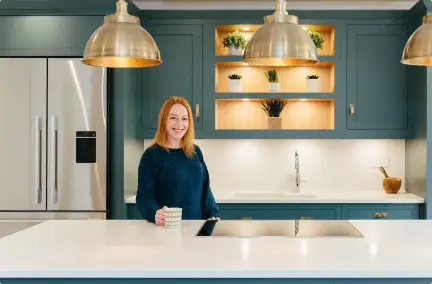
I always knew I wanted to relocate the kitchen to the sunnier side of the house. It’s the heart of the home, after all but exactly how we were going to achieve that was up for debate. By living through a full cycle of seasons, I learned how the light moved, where the draughts were, and how we actually used the space on a rainy Tuesday versus a sunny Sunday.
When to come to “My Bespoke Room”

The reality is that most renovation disasters aren’t actually design problems. They are decision problems. It’s the rushed layouts, the misunderstood light, and the “guessing” of furniture placement that lead to expensive mid-build changes.
This is exactly why using our services before you even pick up a sledgehammer is so critical. By collaborating with My Bespoke Room at the earliest stage, we can help you navigate those high-stakes choices before they are set in stone. We ensure your floor plan isn’t just a structural drawing, but a blueprint for how you actually live.
Getting the thinking right at the start means that every tradesperson, every purchase, and every structural change that follows works harder for you. It saves you from that “wish I’d thought of that” stress later down the line.
Want to discuss your design ideas with a professional? Book a free call today:
Reimagining the Flow
I knew I wanted to “design backwards.” Before submitting a single plan to the council, I sat down with an architect and our Head of Design at My Bespoke Room, Milena. Because the downstairs offered so many different options, we spent a significant amount of time deciding on the flow. It was vital to do this with a designer before we went anywhere near the planning stage. If you wait until the plans are drawn, you’re often trying to fit your life into a box someone else has built. By doing it this way round, we ensured the structural changes were dictated by how we actually wanted to live through the house and move from room to room.
We didn’t just start with walls; we considered the furniture and feeling.
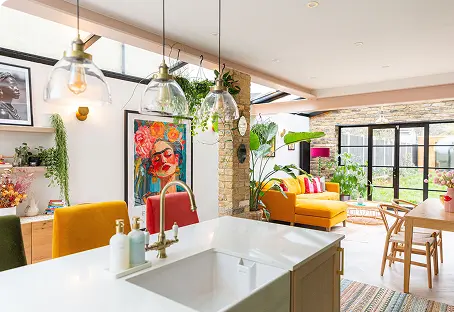
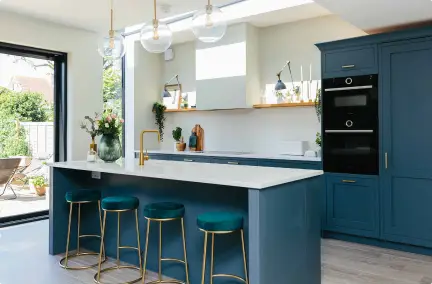
- The Kitchen Relocation: Moving it from the dark back of the house to the brightest spot, finally connecting it to the garden.
- The Utility Room: With three kids, a high-functioning laundry and boot room is a sanity-saver.
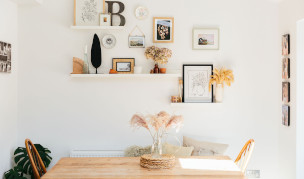
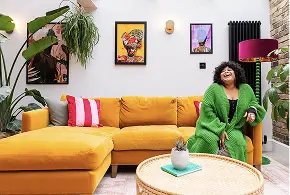
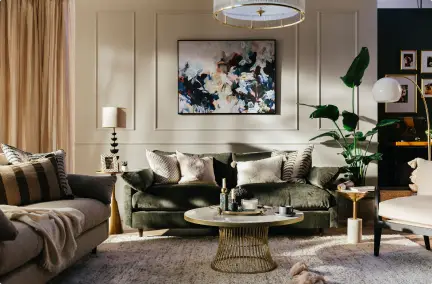
- Defined Living: We chose “defined yet connected” spaces. I’ve learned that I don’t want to look at a pile of dishes while I’m trying to relax, so we’ve planned a separate – but connected dining area off the kitchen, and a family lounge that feels like a retreat.
Looking for help with your own renovation journey? Book a FREE design consultation with one of our experts to discuss your ideas:
What’s Next: A Strategic Three-Phase Approach
I’m being strategic about this. A full renovation is a marathon, not a sprint, and I’m always mindful of the “ceiling price” of our street while balancing the needs of our forever home. To keep our lives functional and our budget on track, I’ve broken the journey down into three distinct chapters:

Phase 1: Stability and Settling In
Phase 1 was all about anchoring the family. We prioritised the children’s bedrooms first, ensuring they had their own sanctuaries and felt at home immediately. This phase was also about “living in the light”—spending those first 12 months observing the house before making any irreversible structural decisions.
Phase 2: The Planning and Preparation
We are currently in Phase 2, which is where the logistical heavy lifting happens. This involves securing planning permission and gathering detailed builder quotes. While we wait for the larger structural work to begin, we aren’t standing still; we are tackling the areas not impacted by the upcoming building work. This includes finishing the children’s rooms and decorating the hallways, both upstairs and down, to make the house feel cohesive while we prepare for the messier stages.
Phase 3: The Build and Transformation
Phase 3 is where the “real” heavy lifting happens. This stage involves all the major building work that will finally bring the vision to life: a full rewire of the downstairs and the structural move we’ve been waiting for. We’ll be relocating the kitchen to the sunnier side of the house, creating the snug and dining room, and finally building that high-functioning utility room our family desperately needs.
I didn’t just move for a new house. I moved for a better life. Now, it’s finally time to make the building match the ambition.
