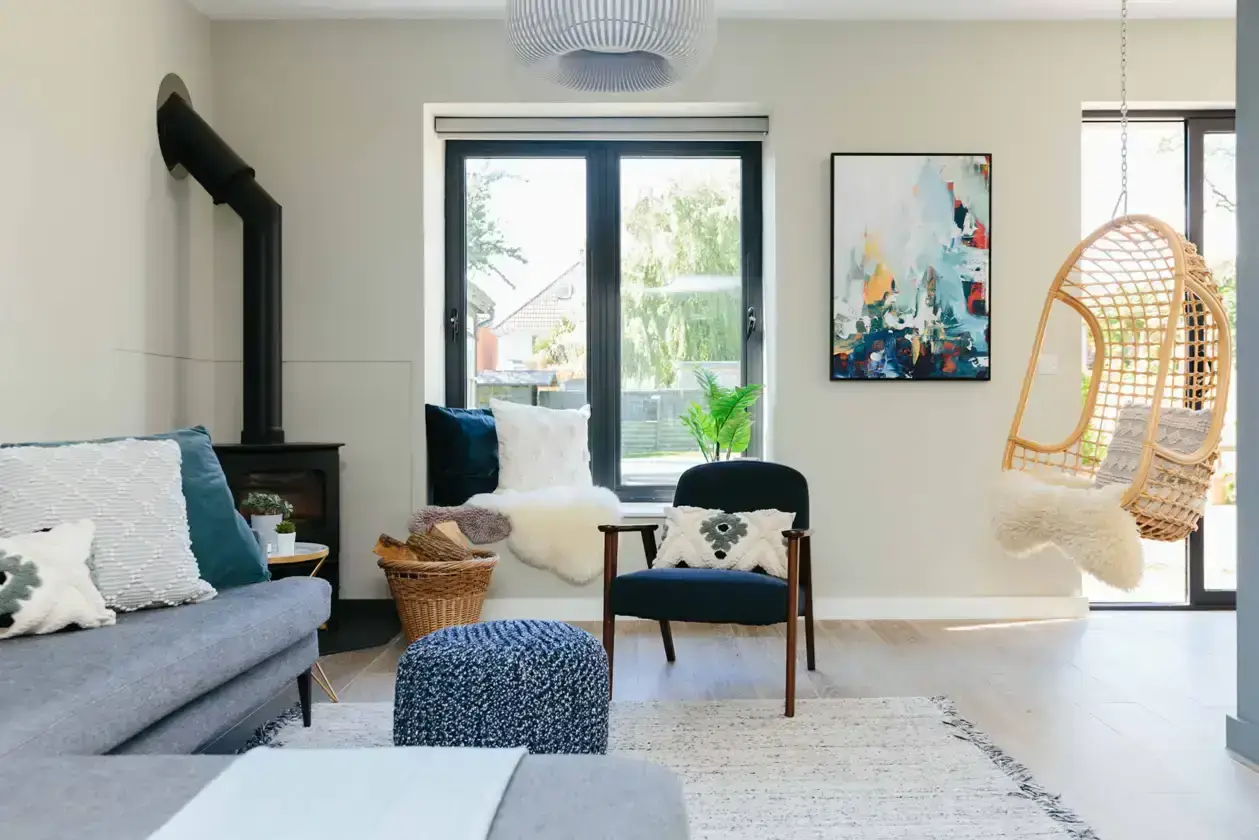
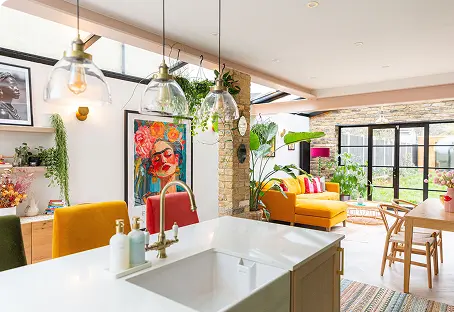
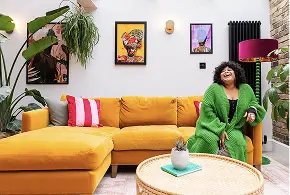


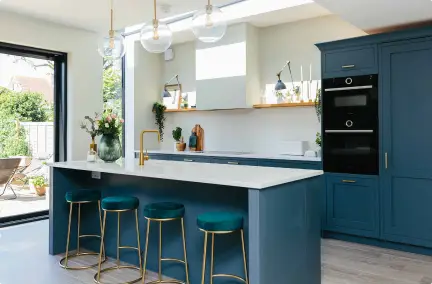
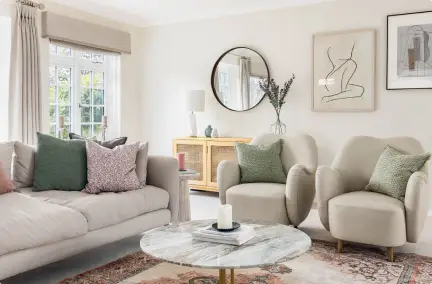
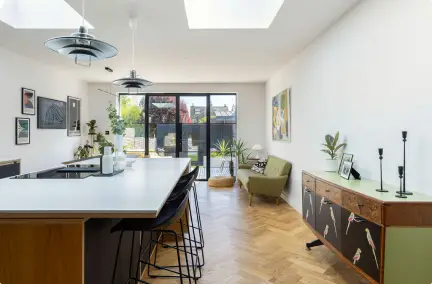









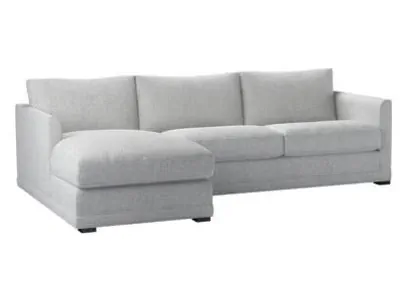
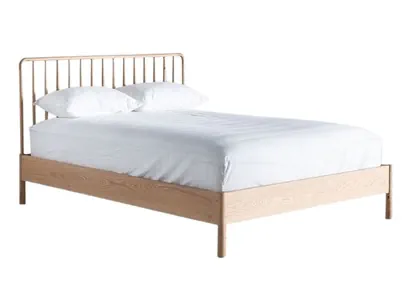
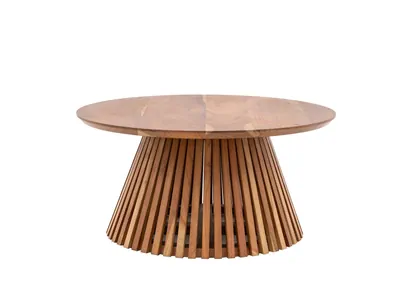
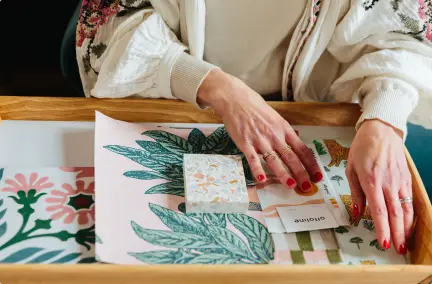
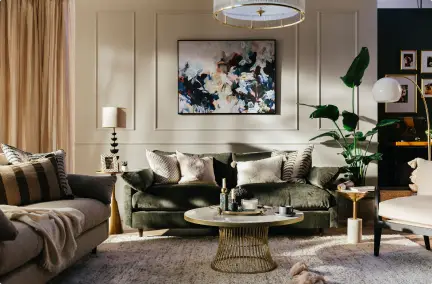



Tracy's Lounge & playroom with panelled feature wall

Be inspired by this real client design,
created by out expert designers.
Shop the look, save your favourites, or
Ready to create your own dream room?
Book a FREE Designer Call
Designers Edit
Chaise Sofa


This item is currently out of stock


Cushions

This item is currently out of stock


Planter


This item is currently out of stock


This item is currently out of stock
Living Rooms Design Guides
Read our expert living room top tips.
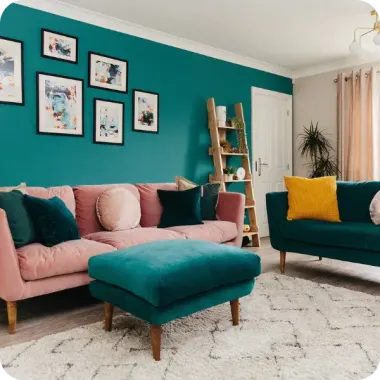
Your Living Room Design Questions Answered
A good living room layout starts with how the room needs to be used. Some living rooms are designed mainly for watching TV, while others need to work for entertaining, family time, reading, storage or a combination of uses.
Start by identifying the room's focal point. This could be a fireplace, TV, window, artwork or coffee table. Sofas and armchairs can then be arranged around that focal point to create a clear seating area. In sociable living rooms, seating that faces inwards can help the space feel more comfortable and conversational.
It is also important to leave enough space for people to move around the room easily. Furniture does not always need to sit against the walls; pulling seating slightly into the room can help create a cosier and more defined layout.
For open-plan living rooms, zoning is especially important. Rugs, lighting and furniture placement can help separate the living area from dining, kitchen or walkway spaces without closing the room off completely.
Lighting should also be considered at the layout stage. For example, a reading area works better with useful natural light or a nearby lamp, while a TV area should be positioned to reduce glare from windows.
The right living room design style depends on how the space should feel and function. A living room designed for relaxing may need a warm, snug feel, while a room used for entertaining may suit a more polished or considered look.
Eclectic styles can work well in living rooms because they allow space for artwork, collectables, books and personal pieces. This can make the room feel characterful and lived in, while still looking intentional when colours, shapes and materials are balanced carefully.
For a more contemporary or minimalist living room, storage becomes especially important. Built-in or bespoke furniture can help keep clutter out of sight, making the room feel calmer and more streamlined.
Inspiration can also come from features already in the room. A favourite piece of furniture, artwork, fireplace, colour palette or architectural detail can guide the wider design direction and help the finished space feel more cohesive.
There is no single best colour for every living room. The right choice depends on the room's size, natural light, aspect, furniture, flooring and the atmosphere the space needs to create.
Light neutrals, warm whites and soft greys can help a living room feel calm, open and flexible. These shades work particularly well when the room needs to feel bright or when furniture, artwork and accessories provide the main colour accents.
Darker colours can work well in snug living rooms, TV rooms or spaces designed to feel cosy. Deep blues, greens and richer tones can add depth and character, especially when balanced with layered lighting.
In small living rooms, using a consistent colour palette can help the space feel more considered. This does not mean colour needs to be avoided, but tones should work together rather than visually breaking up the room too much.
For open-plan living rooms, colour can also help define the living area. A tonal shift, feature wall or repeated accent colour can help separate the living zone while keeping the wider scheme connected.
A sofa is usually one of the most important pieces of furniture in a living room, so it should be chosen with both comfort and layout in mind. Scale is the first consideration. The sofa should suit the size of the room without blocking walkways, windows, doors or other key furniture.
In a small living room, a compact sofa, raised legs or slimmer arms can help the room feel lighter. In a larger or open-plan living room, a corner sofa or larger design can help define the seating area and make the space feel more anchored.
The sofa should also match how the room will be used. A family living room may need durable fabric, deeper seats and practical colours, while a more formal sitting room may allow for lighter fabrics or a more decorative design.
Shape, colour and fabric should support the wider room style. A sofa can either act as a foundation piece that blends into the scheme or a standout feature that introduces colour, texture or contrast.
A styled sofa should feel comfortable, balanced and connected to the rest of the living room. Cushions and throws can help soften the space and make the seating area feel more inviting.
A good approach is to mix cushion sizes, textures and tones rather than using a fully matching set. For example, a plain cushion, a subtle pattern and a textured fabric can work together without making the sofa feel cluttered.
Colour should also connect to the wider room. Cushions or throws can pick up tones from artwork, rugs, curtains or accent furniture, helping the scheme feel more cohesive.
In smaller living rooms, avoid overloading the sofa with too many cushions, as this can reduce usable seating space. A more edited arrangement often works better, especially when the room needs to feel calm and practical.
The best living room lighting uses several layers rather than relying on one ceiling light. A ceiling pendant or overhead light can provide general illumination, but floor lamps and table lamps are usually needed to create a warmer and more flexible space.
Ambient lighting works well in living rooms because these spaces are often used for relaxing. Lower-level lighting can help the room feel calmer in the evening, while task lighting can support activities such as reading.
Warm light usually works better in living rooms than crisp white light, as it creates a softer and more relaxed atmosphere. Brighter, cooler light is generally better suited to practical spaces such as kitchens.
In open-plan living rooms, lighting can also help define zones. Pendant lighting, floor lamps or table lamps can distinguish the living area from dining or kitchen spaces while keeping the overall design connected.